On this page
Top picks at a glance
As an Amazon Associate I earn from qualifying purchases.
- 1
 Garvee 8x12 FT Greenhouse with Aluminum Frame9.6/10View on Amazon
- 2
 Garvee 6x10 FT GreenhouseView on Amazon
- 3
 8X14FT Green House with ThermometersView on Amazon
- 4
 8X10FT Greenhouse with ThermometersView on Amazon
- 5
 10X12FT Greenhouse with ThermometerView on Amazon
- 6
 6X10FT Greenhouse with ThermometersView on Amazon
- 7
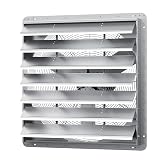 30 Inch Shutter Exhaust FanView on Amazon
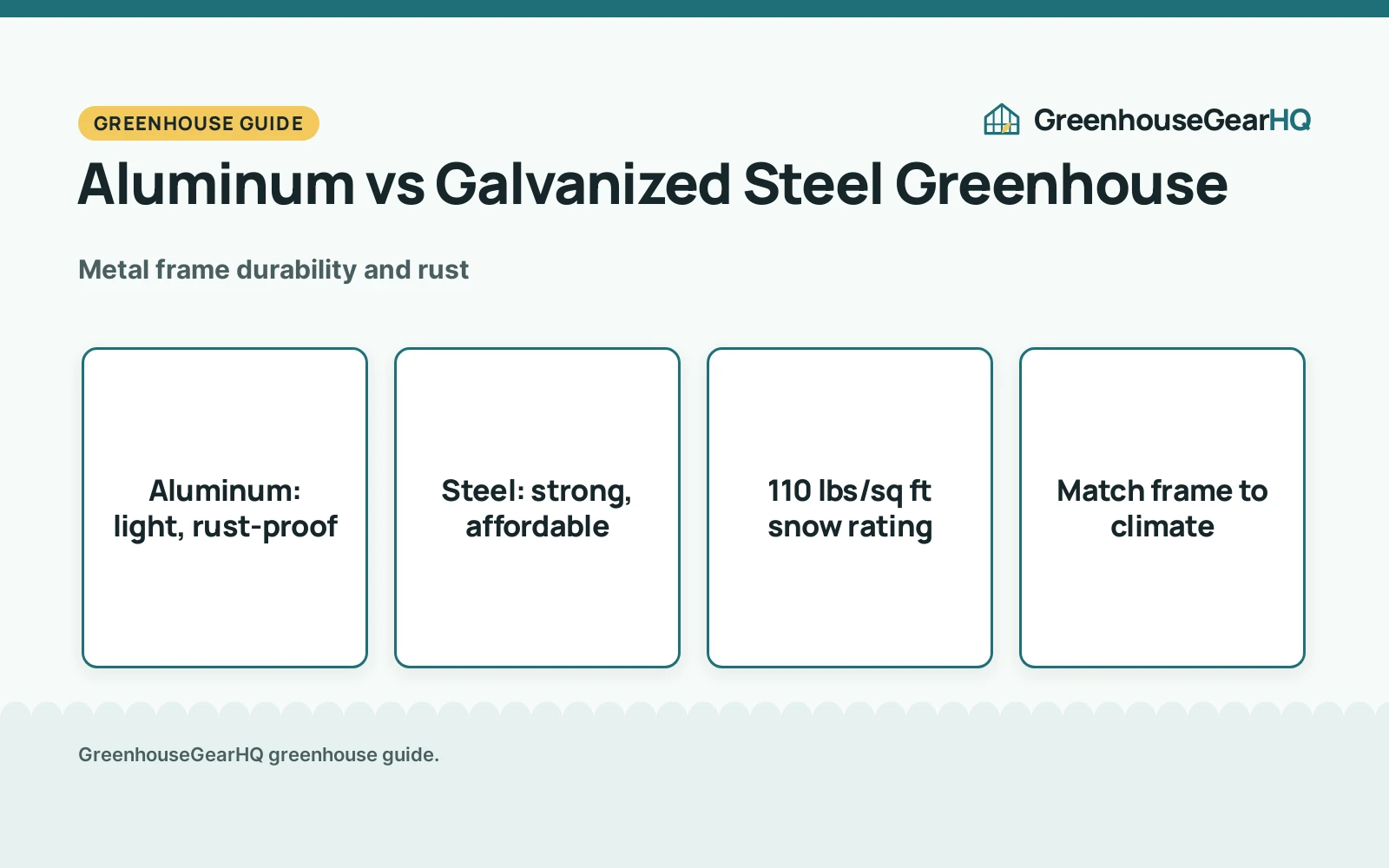
Aluminum greenhouses are light, rust-proof and low maintenance; galvanized steel greenhouses are stronger and cheaper but heavier, and they can corrode if the zinc coating fails. Pick aluminum for coastal or humid sites and easy assembly; pick galvanized steel for heavy snow loads and tight budgets. This guide compares the two frame materials, with concrete figures from the listings.
Other options worth a look
 Garvee 6x10 FT GreenhouseCheck price on Amazon
 8X14FT Green House with ThermometersCheck price on Amazon
 8X10FT Greenhouse with ThermometersCheck price on Amazon
 10X12FT Greenhouse with ThermometerCheck price on Amazon
 6X10FT Greenhouse with ThermometersCheck price on Amazon
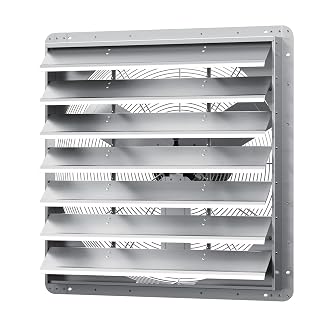 30 Inch Shutter Exhaust FanCheck price on Amazon
GreenhouseGearHQ earns a commission when you buy through links on this site, at no extra cost to you. As an Amazon Associate I earn from qualifying purchases. Affiliate disclosure.
Aluminum vs galvanized steel greenhouse: how they differ
The frame carries the glazing, the snow and the wind, so its material sets the greenhouse’s lifespan. Aluminum resists corrosion on its own and weighs little; galvanized steel is stronger per dollar but relies on its zinc coat to keep rust out. The listings here lean aluminum: the Palram Canopia Oasis Hex is a 7 by 8-foot polycarbonate greenhouse with an aluminum frame, lockable door and roof vent; the HOOYEAH is a 6 by 8-foot aluminum-frame house; and the Garvee is a 6 by 10-foot aluminum greenhouse rated for 110 lbs per sq ft of snow load.
Aluminum: light and rust-proof
Aluminum’s case is maintenance. It never rusts, so coastal air and humid interiors do not touch it, and its light weight makes assembly easier: one Garvee 6 by 10-foot listing claims 40% faster assembly and 35% more security. The Palram listing pairs its aluminum frame with 90% light transmission polycarbonate and 100% UV protection. The trade: aluminum costs more per pound of strength, and in the heaviest snow country a steel frame carries more. The Garvee’s 110 lbs per sq ft snow rating shows aluminum can still be engineered for serious loads.
Look past the frame metal at the whole kit. The Garvee listings state 720 g/m² polycarbonate panels on reinforced aluminum frames, plus a water gutter system along the sides for rainwater drainage and an adjustable top vent for airflow. The HOOYEAH listing advises installing its reinforcement bar per the manual for best performance. These extras decide how the house handles storms as much as the frame metal does.
Galvanized steel: strong and affordable
Galvanized steel’s case is strength per dollar. The zinc coating protects the steel until it is scratched through, so inspect the coating at assembly and touch up damage. The louver vent listing here names the formula directly: galvanized steel for rust resistance, with aluminum blades that stay light. In practice, steel suits inland sites with heavy snow and owners who check the frame yearly; aluminum suits set-and-forget growers and salty air.
Ventilation hardware follows the same metal logic. The 8-inch shutter exhaust louver vent listing pairs galvanized steel for rust resistance with aluminum blades that stay light, showing how makers mix the metals: steel where strength matters, aluminum where weight matters.
Hardware and assembly
Either frame is only as good as its fasteners. The listings show the small parts that matter: a 15-pack of greenhouse bolts and rings in aluminum, sized 6.5mm to 10mm for 5mm grooves; 1-inch by 6.5-foot aluminum lock channels for film houses; and 20-piece kits of 3.28-foot aluminum-plated steel wiggle wire and channel. Buy stainless or coated hardware with a steel frame, since bare steel fasteners rust first and stain the frame.
Small parts add up. The Pextian listing includes 15 reusable plant ties alongside its 15 bolts, nuts and rings, and the ZYAMY listing offers 50 stainless steel W-wire glazing clips at 0.08 kg for the set. Stainless clips will not rust onto an aluminum frame, which keeps future panel swaps easy.
Which should you choose?
Choose aluminum when rust is the enemy: coastal sites, humid interiors and growers who want minimal maintenance. The 6×8 to 7×8-foot aluminum kits here suit most hobby grows, and the 6×10-foot Garvee with its 110 lbs per sq ft rating covers snow country. Choose galvanized steel when strength per dollar is the priority and the site is inland: heavier, cheaper, and fine with yearly coating checks. Match the frame to the climate and the maintenance you will actually do. When comparing kits, weigh the whole package: the Garvee’s 720 g/m² panels, gutters and top vent against a bare-bones frame, and the fastener kit against rust-prone hardware.
FAQ for growers
Does aluminum rust?
No. Aluminum forms its own protective oxide, which is why the aluminum-frame kits here suit humid and coastal sites.
Which is stronger?
Galvanized steel is stronger per dollar; the Garvee aluminum listing rates its 6×10-foot house at 110 lbs per sq ft of snow load.
What hardware suits a steel frame?
Stainless or coated fasteners. The listings show aluminum bolts and rings and aluminum-plated steel channels; bare steel hardware rusts first.
What sizes do aluminum kits come in?
The listings range from 6×8 feet to 7×8 and 6×10 feet.
Do aluminum kits handle rain and ventilation?
The second Garvee listing states a water gutter system along the sides and an adjustable top vent. Gutters keep runoff off the walls; the vent dumps hot air in summer.
Keep reading
See every greenhouses guide and all greenhouse climate guides.
More picks: glass vs polycarbonate cold frame, polycarbonate greenhouse.