On this page
Top picks at a glance
As an Amazon Associate I earn from qualifying purchases.
- 1
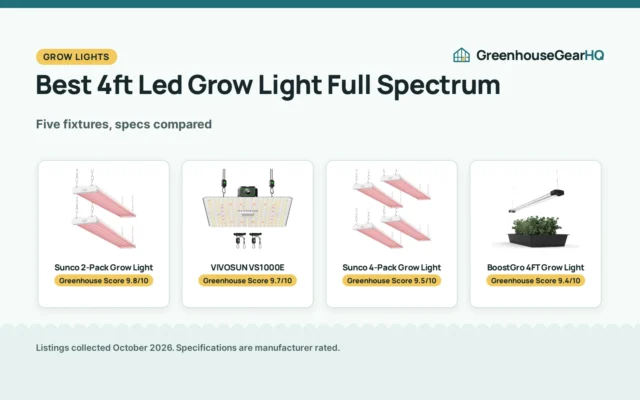
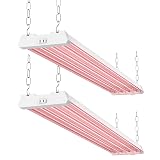 Sunco 2 Pack 4FT Full Spectrum LED Grow Lights 80W9.8/10View on Amazon
- 2
 VIVOSUN LumaLight 100W LED Grow Light9.7/10View on Amazon
- 3
 Sunco 4 Pack 4FT Full Spectrum LED Grow Lights9.5/10View on Amazon
- 4
 sunsy Shine A19 Full-Spectrum LEDView on Amazon
- 5
 sunsy Shine BR30 Full-Spectrum LEDView on Amazon
- 6
 LORDEM Grow Light for Indoor PlantsView on Amazon
- 7
 LORDEM Full Spectrum LED Grow Light for Indoor Plants HeightView on Amazon
- 8
 Barrina T8 Grow LightView on Amazon
- 9
 Barrina T8 Plant LightView on Amazon
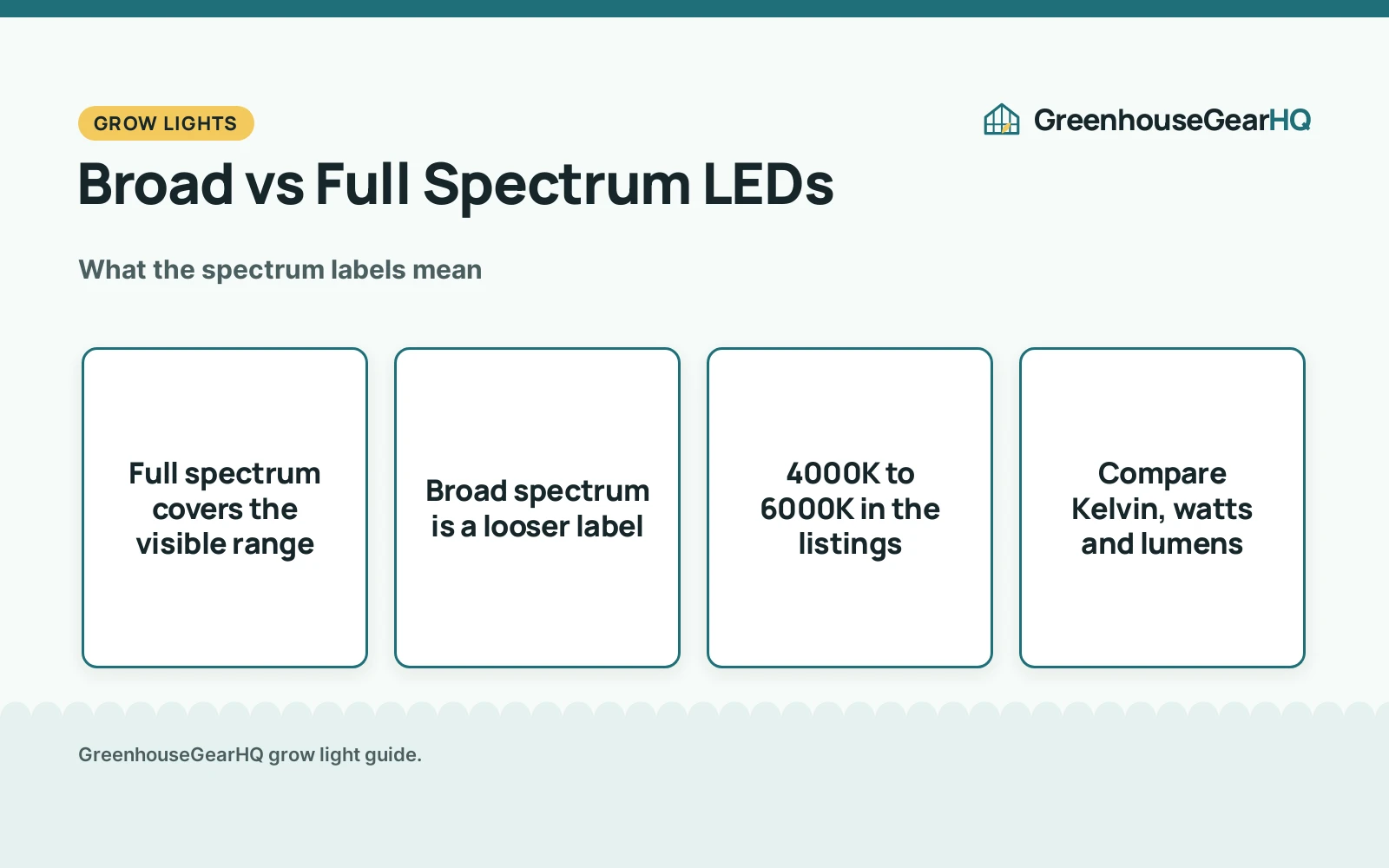
Broad spectrum vs full spectrum LED comes down to what the maker means by the label: full spectrum generally means the light covers the visible range plants use, while broad spectrum is a looser marketing term for a wide, natural-looking output. In practice the two overlap heavily, and every listing here calls itself full spectrum. The listings state color temperatures from 4000K to 6000K and outputs from 800 to 2000 lumens. Choose by the stated color temperature and brightness for your plants, not by which of the two words is on the box.
Other options worth a look
 sunsy Shine A19 Full-Spectrum LEDCheck price on Amazon
 sunsy Shine BR30 Full-Spectrum LEDCheck price on Amazon
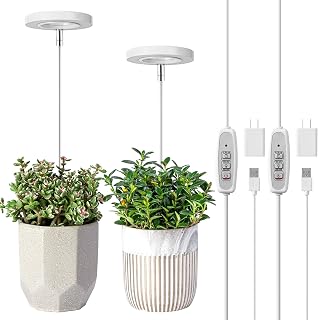 LORDEM Grow Light for Indoor PlantsCheck price on Amazon
 LORDEM Full Spectrum LED Grow Light for Indoor Plants HeightCheck price on Amazon
 Barrina T8 Grow LightCheck price on Amazon
 Barrina T8 Plant LightCheck price on Amazon
GreenhouseGearHQ earns a commission when you buy through links on this page, at no extra cost to you. As an Amazon Associate I earn from qualifying purchases. Affiliate disclosure.
What full spectrum means
Full spectrum means the LED emits across the visible range rather than in narrow color bands. The Briignite listings state 5000K full spectrum grow bulbs, the Neporal listings state 6000K natural sunlight bulbs at 9W with 60W equivalence, the Norb NorbSMILE states an 11W 800-lumen full spectrum A19 bulb, and the BoRccdit SunLike states a 15W 1000-lumen full spectrum bulb. For plants, the claim is that the wide output covers the wavelengths used in growth; for people, these bulbs look like daylight.
What broad spectrum means
Broad spectrum has no standard definition: it generally describes an LED with a wide output curve rather than spiky narrow bands. No listing here uses the term, which tells you it is the less common label of the two. When you see it, treat it as a synonym-ish claim of wide output and check the same stated figures you would check on a full spectrum bulb: color temperature, wattage and lumens.
Color temperature in the listings
Color temperature states the light’s tone in Kelvin. The listings state 5000K on the Briignite bulbs, 6000K on the Neporal bulbs, 5400K on one listing and 4000K on another. Higher numbers look cooler and more daylight-like; the Neporal listings describe 6000K as natural sunlight. For seedlings and leafy growth, growers generally prefer the cooler daylight tones, while warmer tones suit ambient lighting. Match the stated Kelvin to the look and purpose you want.
Brightness and wattage in the listings
Brightness is stated in lumens and power in watts. The listings state 800 lumens on the 11W Norb, 1000 lumens on the 15W BoRccdit, 1050 lumens on a Neporal and 2000 lumens on another listing, with 9W and 15W bulbs throughout. More lumens means more light on the plant, but lumens measure human-visible brightness, not plant-usable light, so use them to compare bulbs of similar type rather than as a growth guarantee.
Broad spectrum vs full spectrum LED: which to buy
Buy on the stated figures, not the label. A 5000K or 6000K full spectrum bulb at 9 to 15W suits seedlings and houseplants on a shelf; the Norb at 11W and 800 lumens and the Neporal at 9W are typical of this class. For larger areas, step up in lumens: the listings run to 2000 lumens. If a bulb says broad spectrum instead of full spectrum, check that it states a color temperature and lumen figure like the full spectrum listings do, and skip it if it does not. Either way, screw the bulb into a reflector or hang it at the height the maker states, and watch the plants: pale, leggy growth means more light is needed regardless of the label.
What this guide does not cover
This guide covers spectrum labels only, not hanging height or photoperiod. For fixture types and larger setups, see our best grow lights for a greenhouse picks.
FAQ for growers
Is full spectrum better than broad spectrum for plants?
The terms overlap and neither is standardized. Compare the stated color temperature and lumens: the listings here state 4000K to 6000K and 800 to 2000 lumens on full spectrum bulbs.
What color temperature is best for grow lights?
The listings state 5000K and 6000K most often, described as daylight or natural sunlight. Cooler daylight tones suit seedlings and leafy growth.
How many watts do I need for seedlings?
The listings show 9W to 15W bulbs for small-scale use: the Neporal at 9W, the Norb at 11W and 800 lumens, the SANSI and BoRccdit at 15W. Scale up in lumens for larger areas.
Do lumens tell me how well plants will grow?
Only roughly. Lumens measure brightness as humans see it, so they compare bulbs of similar type but do not guarantee growth. Use them alongside color temperature, and give the plants a week under the new bulb before judging the results.
Keep reading
See every grow light guide and all light and heat guides.
More picks: best grow lights for seedlings, best grow lights for a greenhouse and best grow light for basil.