On this page
Top picks at a glance
As an Amazon Associate I earn from qualifying purchases.
- 1
 SANSI 32W LED Grow Light Bulb9.7/10View on Amazon
- 2
 SANSI Grow Light Bulb9.7/10View on Amazon
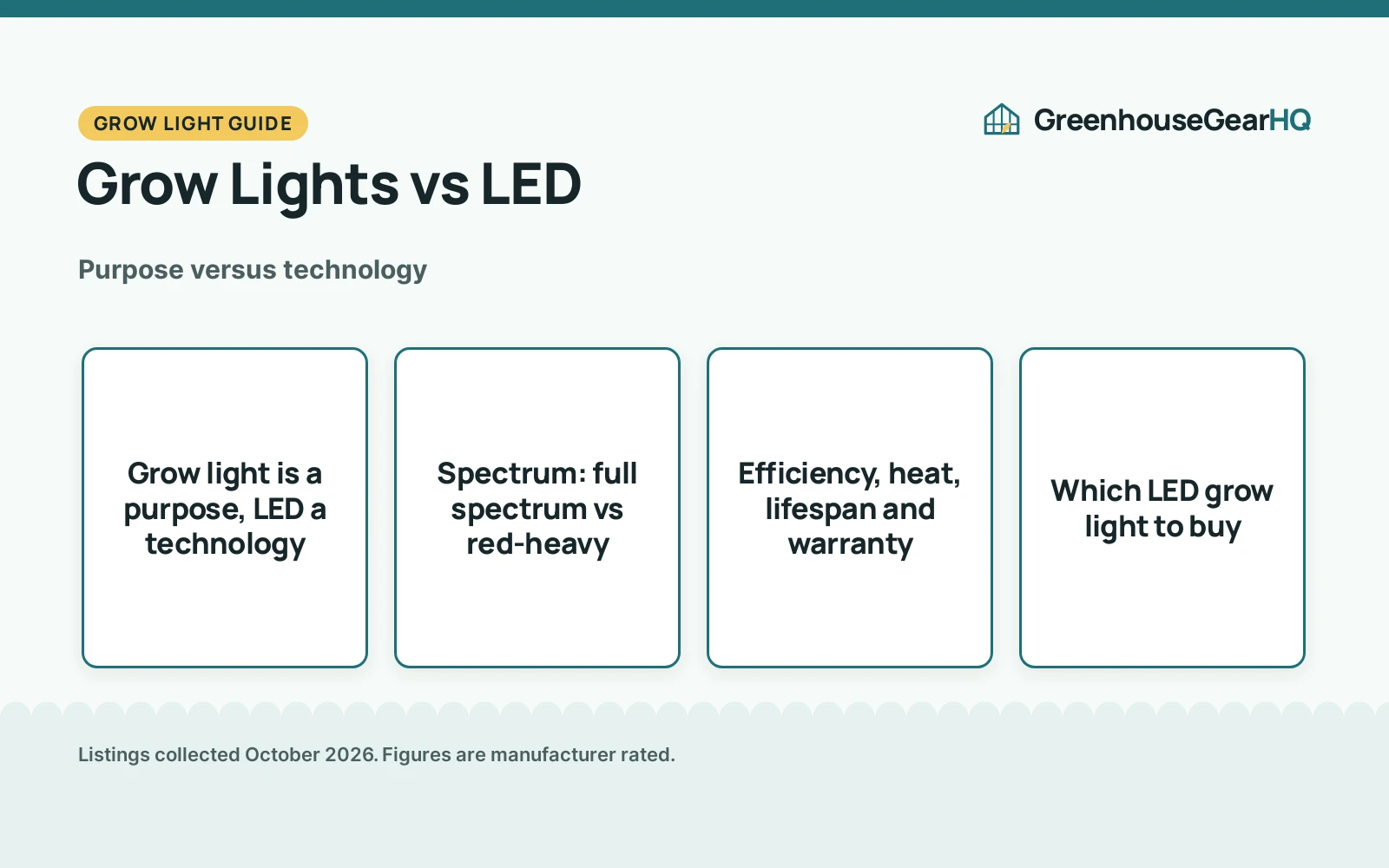
The difference between grow lights and LED is simpler than it sounds: a grow light is any light designed for growing plants, while LED is a lighting technology. An LED grow light is both at once. The real choice shoppers face is not grow light versus LED, but LED grow lights versus older grow light technologies like fluorescent and HID. Here is how they compare.
Other options worth a look
 MARS HYDRO 100W TS600 2x2ft Dimmable LED Grow Lights forCheck price on Amazon
 LED Plant Grow LightCheck price on Amazon
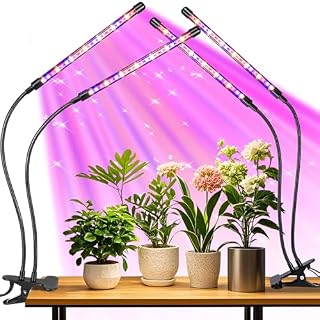 2 Head LED Plant Grow LightCheck price on Amazon
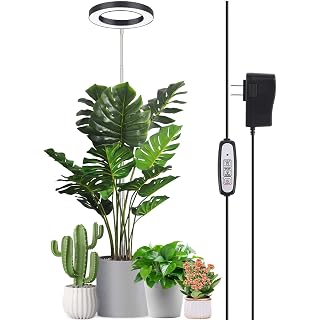 LORDEM Black Full Spectrum LED Grow LightCheck price on Amazon
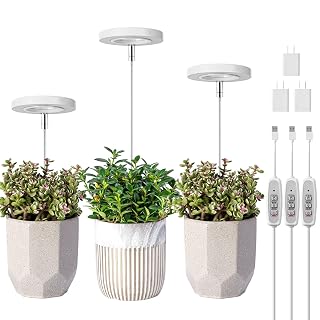 LORDEM Full Spectrum LED Grow Light for Indoor PlantsCheck price on Amazon
 LORDEM Full Spectrum LED Grow Light for Indoor Plants HeightCheck price on Amazon
GreenhouseGearHQ earns a commission when you buy through links on this page, at no extra cost to you. As an Amazon Associate I earn from qualifying purchases. Affiliate disclosure.
Grow light is a purpose, LED is a technology
Any lamp built to grow plants is a grow light, whatever is inside it. Older grow lights used fluorescent tubes or high-intensity discharge (HID) bulbs. Modern ones overwhelmingly use LEDs: light-emitting diodes. Every LED bulb in our reference listings is also a grow light, from the 12W Briignite BR30 to the 32W SANSI. When a listing says LED grow light, it means a plant light built on LED technology.
Spectrum: what plants actually get
Plants use red and blue wavelengths most. LED grow lights deliver them two ways: full-spectrum white light that looks natural (3500K on the Briignite, 4000K on the SANSI models, 5000K on the Dubofu and GooingTop), or red-heavy blends like the GE BR30 with its advanced red spectrum for flowering and fruiting. Older purple grow lights bathed plants in visible red and blue; modern full-spectrum LEDs give the same wavelengths in white light you can live with.
Efficiency: watts in, light out
LEDs produce far more plant-usable light per watt. The Briignite 12W BR30 is rated 120W equivalent at 1000 lumens; the SANSI 15W A19 claims 200W equivalent; the SANSI 32W (on Amazon) claims 350W equivalent. Makers quote PPF, the total plant-usable light per second: 25 micromoles per second on the Briignite, 15 on the GE, 27 on the SANSI 15W (on Amazon). Higher PPF per watt means lower electricity bills for the same growth.
Heat and placement
LEDs run cooler than HID and most fluorescents, so they can sit closer to plants without scorching leaves. The SANSI listings note low IR and less heat radiation to avoid burning plants at close distance. GE recommends its BR30 at 16 inches from the plant for 12 hours a day. Cooler running also means less ventilation load in a closed greenhouse.
Lifespan and warranty
LED grow bulbs last far longer than old technologies. Stated lifespans in our listings run from 10,000 hours on the GooingTop, through 20,000 on the Dubofu and 25,000 on the GE and SANSI models, up to 50,000 hours on the Briignite. Warranties follow the same spread: 1 year on the Dubofu, 2 years on the Necgemlex, 3 years on the GE, 5 years on the SANSI models, and 72 months on the GooingTop. Longer life is a core part of the LED value case.
Difference between grow lights and LED: which to buy
Buy LED. For greenhouse and indoor growing, LED grow lights have won on efficiency, lifespan, heat and spectrum control, which is why nearly every current listing is LED. The remaining choice is which LED: match wattage and PPF to the grow area, pick full spectrum for all growth stages or red-heavy for flowering, and check the warranty. Our LED grow light bulbs for indoor plants guide compares current models.
FAQ for growers
Do LED grow lights work?
Yes. They deliver the red and blue wavelengths plants use, at high efficiency: the Briignite 12W puts out a stated PPF of 25 micromoles per second while drawing 12 watts.
Can you use LED for grow lights?
LED is the dominant grow light technology today. Nearly every current grow light listing, from 11W bulbs to 32W high-output models, is LED-based.
Do LED lights make good grow lights?
Ordinary household LEDs lack the intensity and spectrum plants need. Purpose-built LED grow lights add the red/blue spectrum and higher PPF; the SANSI 15W, for example, is ETL listed with a stated PPF of 27 micromoles per second.
Are LED grow lights any good?
For efficiency and lifespan, yes: 12 watts replacing 120W equivalents, lifespans to 50,000 hours, and warranties up to 5 years or 72 months in our listings.
Keep reading
See every grow light guide and our LED grow light bulbs under 20 picks.