On this page
Top picks at a glance
As an Amazon Associate I earn from qualifying purchases.
- 1
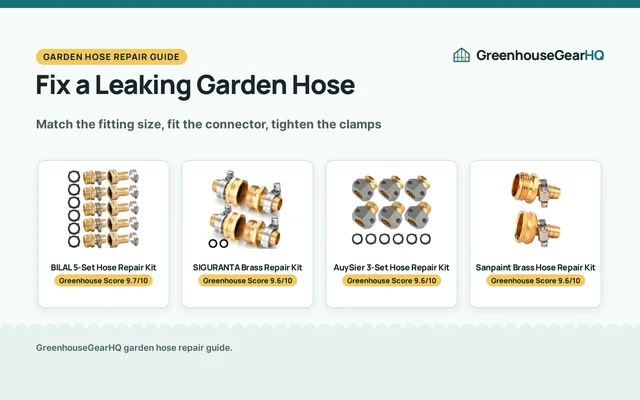
 SIGURANTA Brass Garden Hose Repair Kit9.6/10View on Amazon
- 2
 AuySier Garden Hose Repair Kit9.6/10View on Amazon
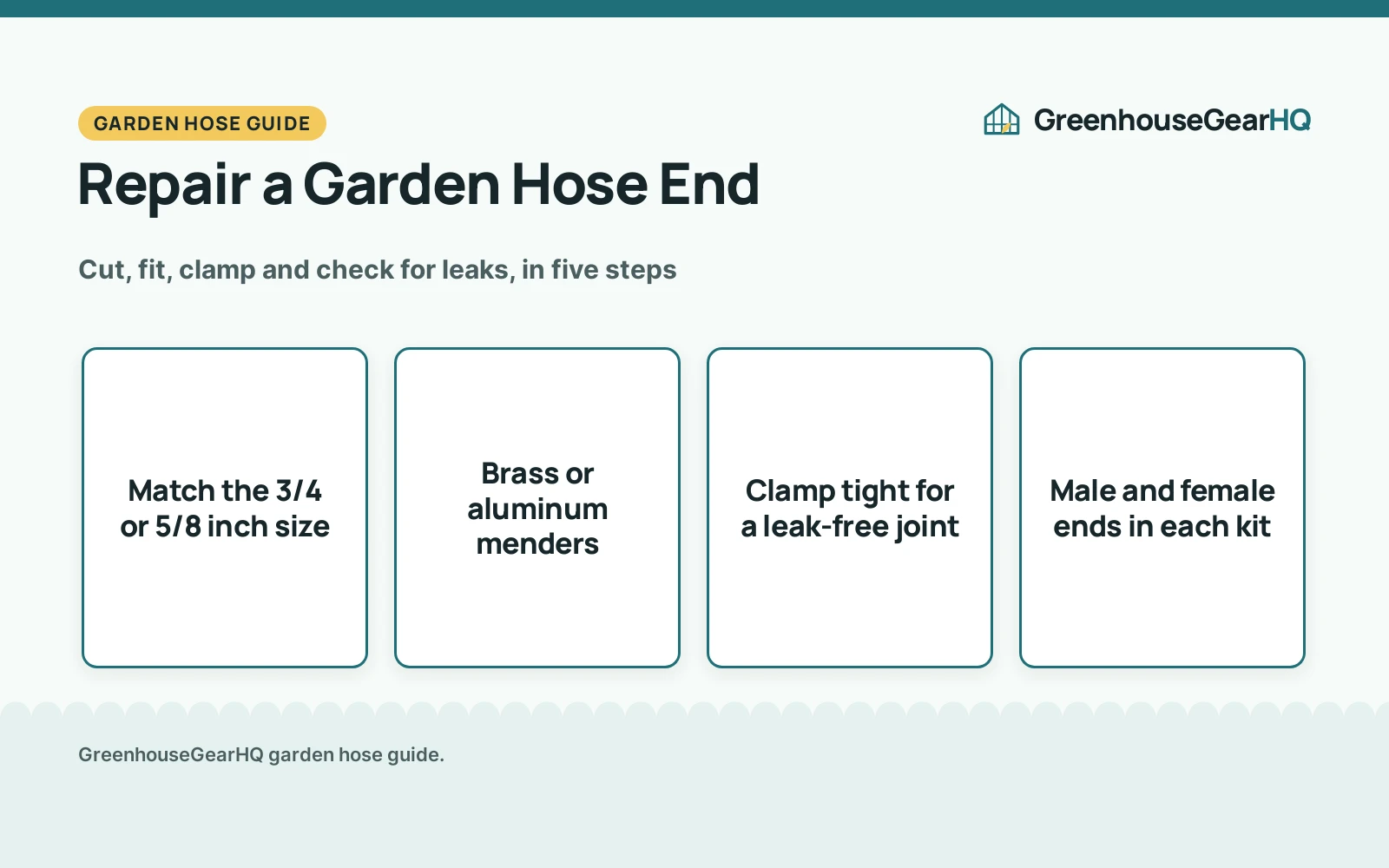
A hose that sprays at the tap instead of at the nozzle usually has a split end, and a hot July afternoon in the greenhouse is the wrong time to find out. A garden hose repair end is a replacement fitting that takes the place of a cracked, split or leaking hose end, so a good hose does not go to waste. This guide shows how to repair a garden hose end step by step: cut off the damaged end, match the hose size, fit a brass or aluminum mender, tighten the clamp and check the joint for leaks. Where a number appears, it comes from a product listing we compared, and we name the listing so you can check it.
Other options worth a look
 Sanpaint 2 Pack Garden Hose End Caps with WashersCheck price on Amazon
 Orbit SunMate Hose-End Shower WandCheck price on Amazon
 Raindrip Digital Hose-End Automatic Water TimerCheck price on Amazon
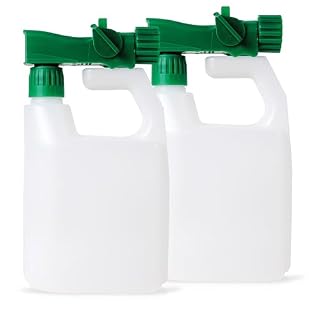 Humboldts Secret Garden Hose End SprayerCheck price on Amazon
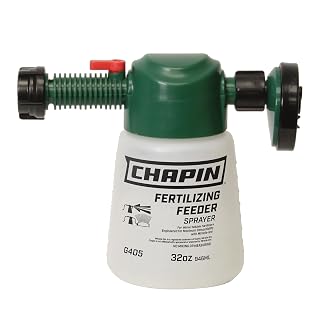 CHAPIN G405 Fertilizer Feeder Hose End for Dry and WaterCheck price on Amazon
 Orbit SunMate Hose-End 58293 Shower Wand HeadCheck price on Amazon
GreenhouseGearHQ earns a commission when you buy through links on this page, at no extra cost to you. As an Amazon Associate I earn from qualifying purchases. Affiliate disclosure.
What a garden hose repair end is
A repair end is a short metal fitting with a barbed tail on one side and a threaded end on the other. The barbed tail pushes into the cut hose, the clamp grips it tight, and the threaded end takes the place of the old fitting, so the hose screws onto a tap, a nozzle or another hose again. Kits come as male ends, female ends, or sets with both, and most listings fit 3/4 inch or 5/8 inch hose, with a few made for 1/2 inch hose.
- Male end: threads on the outside, screws into a female fitting. The Sanpaint male coupling kit lists a brass male coupling with a zinc clamp for 5/8 inch or 3/4 inch hoses.
- Female end: threads on the inside, takes a male fitting or a tap. Most kits pair a female end with a male end in the same box.
- Clamp: a stainless steel or zinc alloy band with screws that grips the hose over the barb. The BILAL kit lists 10 clamps with 5 sets, and the SIGURANTA kit (on Amazon) lists 4 clamps with 2 sets.
- Washer: a rubber ring inside the threaded end that seals the joint. The AuySier kit (on Amazon) lists 6 extra rubber washers, and the Hourleey kit lists 5 extra washers.
- Material: brass or aluminum for the fitting, stainless steel for the clamp screws. The YELUN and SIGURANTA kits list 58-3 brass, and the STYDDI mender lists anodized aircraft aluminum.
How to repair a garden hose end, step by step
Step 1: Cut off the damaged end and measure the hose
Cut the hose square, just past the damage, so the cut end is flat: the BILAL and YELUN listings both say to keep the water pipe incision flat before fitting the repair end. Then measure the hose: most garden hoses are 3/4 inch or 5/8 inch, and the Sanpaint kit fits 1/2 inch hose. The barb size matters too: the SIGURANTA and YELUN listings state a barb size of 15.95 mm (0.628 IN) for 5/8 inch hose, and the threaded side is standard 3/4 inch threaded, known as GHT.
| Repair kit listing | Stated hose size | Material | What is in the box |
|---|---|---|---|
| BILAL 5 set | 3/4 or 5/8 inch | Aluminum, stainless steel clamps | 5 female and 5 male, 10 clamps, extra gasket |
| SIGURANTA 2 set | 5/8 inch, 3/4 inch threaded | 58-3 brass, 304 stainless steel clamps | 2 male and 2 female, 4 clamps, 2 washers |
| Hourleey 5 set | 3/4 or 5/8 inch | Aluminum, stainless steel clamps | 5 sets, 5 washers |
| YELUN 3 sets | 5/8 inch | 58-3 brass, stainless steel clamps | 3 male and 3 female, 6 clamps, 6 gaskets |
| STYDDI 2 set | 5/8 inch | Anodized aircraft aluminum | 2 set, wrenches included |
Step 2: Pick the repair end that fits
Match the fitting to the hose size first, then to the end you need. A 5/8 inch hose takes a 5/8 inch barb, and a 3/4 inch hose takes a 3/4 inch fitting; the listings state both sizes for most kits, so check the size before you order, as the BILAL listing advises. Brass fittings suit hoses that stay outside in all weather, while aluminum menders suit lighter use; the STYDDI mender lists anodized aircraft aluminum at 4.27 oz, against 2.72 oz for other similar fittings in the market, as the listing states.
Step 3: Slide the clamp on, then push the barb in
Slide the clamp onto the hose before you push the fitting in, so the clamp sits behind the barb. Push the barbed tail fully into the cut hose end: the Hourleey listing describes placing the clamp on the hose, inserting the connector into the hose and tightening the screws, in that order. If the barb resists, warm the hose end in the sun or in warm water first.
Step 4: Tighten the clamp and the threads
Tighten the clamp screws as tightly as possible, as the BILAL and YELUN listings direct, so the hose grips the barb with no leak. The STYDDI listing adds a reminder to use two wrenches to tighten the threads on both ends. The Hourleey listing states the job typically takes less than five minutes, after which the garden hose will be ready and fit for use.
Step 5: Turn the water on and check for leaks
Turn the tap on slowly and watch the joint. A drip at the threaded end usually means the washer is worn or missing: swap in one of the extra washers from the kit, as the AuySier kit lists 6 extra rubber washers. A drip where the hose meets the barb means the clamp needs another turn. If the joint stays dry, the repair is done; the YELUN listing states a 90-day no problem refund service and a 1 year warranty, so keep the receipt if the fitting fails.
Male or female: which end do you need
The end you cut off decides the end you buy. A hose end that screwed onto the tap is a female end, and the end that took the nozzle is a male end. Most kits include both, so one kit covers either repair: the BILAL kit lists 5 female and 5 male connectors, and the AuySier kit lists 3 female and 3 male connectors. If only one end is damaged, a male-only kit like the Sanpaint male coupling covers that end alone.
What this guide does not cover
We do not cover repairs in the middle of a hose beyond what the listings state: the BILAL listing says its connectors can fix leaks in the middle of a hose, as long as the size is right. We also do not cover burst hoses, kinked hose repair, or pressure washer hose repair; the SIGURANTA listing states its fittings work with pressure washers, but the repair steps here are for a standard garden hose end. For a hose that leaks along its whole length, a new hose is the fix, not a repair end.
FAQ for growers
What size garden hose repair end do I need?
Match the hose: most listings fit 3/4 inch or 5/8 inch hose, and the Sanpaint kit fits 1/2 inch hose. The SIGURANTA and YELUN listings state a barb size of 15.95 mm (0.628 IN) for 5/8 inch hose.
Can I repair a garden hose end without tools?
The Hourleey listing describes its kit as easy to install without tools, and the repair typically takes less than five minutes. The STYDDI listing recommends two wrenches to tighten the threads on both ends.
Do garden hose repair ends leak?
A tight clamp and a fresh washer keep the joint dry: the listings direct you to tighten the clamps as tightly as possible and to keep the cut flat. If the threaded end drips, swap in an extra washer from the kit.
Are brass or aluminum repair ends better?
Neither in general. The YELUN and SIGURANTA kits list 58-3 brass, which the listings describe as rustproof, while the STYDDI mender lists anodized aircraft aluminum at 4.27 oz. Brass suits hoses that stay outside; aluminum menders suit lighter use.
Keep reading
See every Air and Water guide. Also see our best garden hose for greenhouse picks, our hose clamp repair guide and our best garden hose nozzle for flower beds picks.
More picks: garden hose for greenhouse, metal flexible garden hose, garden hose nozzle for greenhouse and water timer for greenhouse.