On this page
Top picks at a glance
As an Amazon Associate I earn from qualifying purchases.
- 1
 Espoma Organic Vegetable Soil9.6/10View on Amazon
- 2
 Espoma Organic All-Purpose Soil9.5/10View on Amazon
- 3
 Complete Guide to Hydroponics9.4/10View on Amazon
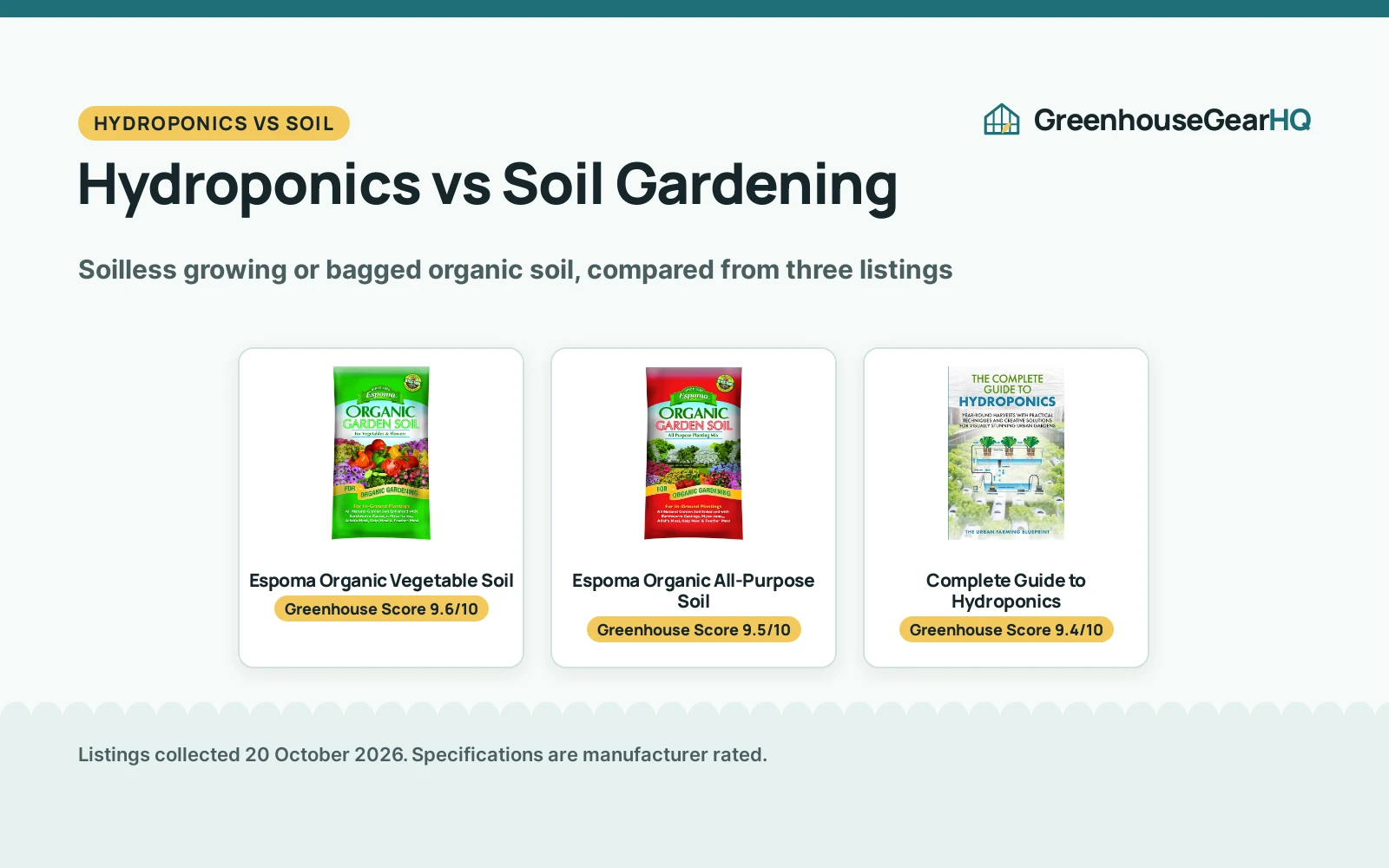
Hydroponics vs soil gardening comes down to what the roots sit in: nutrient-rich water in a soilless system, or a prepared soil mix in the ground or a bed. Hydroponics is the water-based method; soil gardening is the traditional method using mixes like the Espoma examples here. We compared three listings that show the difference clearly: a hydroponics guidebook and two organic garden soils, by what each listing publishes about contents, use and setup.
GreenhouseGearHQ earns a commission when you buy through links on this page, at no extra cost to you. As an Amazon Associate I earn from qualifying purchases. Affiliate disclosure.
Quick verdict: choose hydroponics if you want a soilless, water-based system and are ready to learn its techniques from a guide like the one here. Choose soil gardening if you want to plant directly into improved native soil with a bagged organic mix. The listings do not give yield or cost figures for either side, so this comparison rests on what each product contains and how it is used, not on which grows more.
Two examples
| # | Product | Greenhouse Score | Buy |
|---|---|---|---|
| 1 | Espoma Organic Vegetable Soil | 9.6/10 | Buy on Amazon |
| 2 | Espoma Organic All-Purpose Soil | 9.5/10 | Buy on Amazon |
| 3 | Complete Guide to Hydroponics | 9.4/10 | Buy on Amazon |
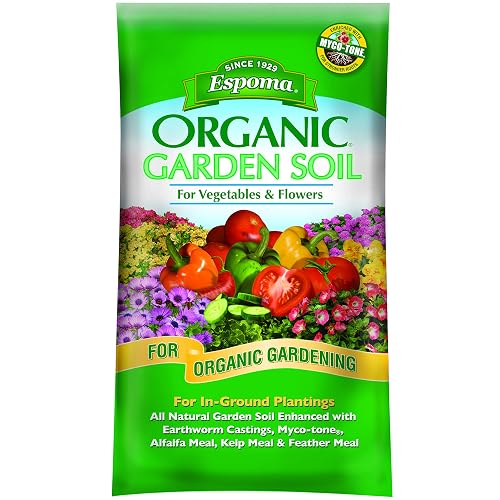
Espoma Organic Vegetable Soil
A 1 cubic foot organic mix with earthworm castings and mycorrhizae for planting vegetables and flowers in native soil.
Pros
- Enriched with earthworm castings for organic gardening
- MYCO-TONE blend of endo and ecto mycorrhizae
- No synthetic plant foods or chemicals used
- Clear use directions: mix thoroughly with native soils
Cons
- Warranty description states 'Warranty' with no term
- Made for in-ground planting, not containers, per the listing
- For vegetables and flowers only, unlike the All-Purpose mix

Espoma Organic All-Purpose Soil
A 1 cubic foot organic mix with earthworm castings and mycorrhizae for everything planted in the garden or landscape.
Pros
- Enriched with earthworm castings for organic gardening
- MYCO-TONE blend of endo and ecto mycorrhizae
- No synthetic plant foods or chemicals used
- Suits everything planted in the garden or landscape
Cons
- Warranty description states 'Warranty' with no term
- Made for in-ground planting, not containers, per the listing
- Nearly identical to the Vegetable and Flower mix, so the choice between them is narrow
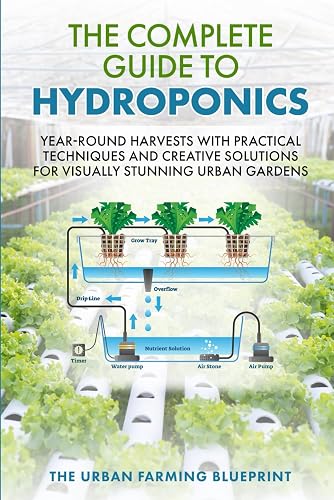
Complete Guide to Hydroponics
A hydroponics techniques guidebook for soilless urban gardens; suits readers researching the method before buying gear.
Pros
- Covers practical techniques for year-round harvests
- Aimed at urban gardens with creative solutions
- Published July 13, 2024, a recent edition
- The only hydroponics-side pick of the three
Cons
- The listing gives no page count or table of contents
- No equipment list or system dimensions are stated
- As a guidebook it states no medium contents of its own
- No warranty term is stated
As an Amazon Associate I earn from qualifying purchases.
Other options worth a look
 AeroGarden Harvest LiteCheck price on Amazon
 LetPot LPH-Air Hydroponics Growing System KitsCheck price on Amazon
 inbloom Hydroponics Growing System 12 PodsCheck price on Amazon
 URUQ 8 Pods Hydroponics Growing System with LED Grow LightCheck price on Amazon
 6LB Organic Expanded Clay PebblesCheck price on Amazon
Hydroponics vs soil gardening: side by side
| Product | Greenhouse Score | Side | What it is | Stated contents | Warranty | Amazon |
|---|---|---|---|---|---|---|
| Espoma Organic Vegetable Soil | 9.6/10 | Soil gardening | 1 cubic foot planting mix | Earthworm castings, mycorrhizae | Not stated | View on Amazon |
| Espoma Organic All-Purpose Soil | 9.5/10 | Soil gardening | 1 cubic foot planting mix | Earthworm castings, mycorrhizae | Not stated | View on Amazon |
| Complete Guide to Hydroponics | 9.4/10 | Hydroponics | Guidebook | Not stated | Not stated | View on Amazon |
Size and build specs are the manufacturer’s ratings as published on each listing, gathered 20 October 2026.
Growing medium and nutrients
The medium is the real divide. Both Espoma listings describe a 1 cubic foot bag of organic planting mix: the Vegetable and Flower mix is a rich blend of natural and organic ingredients enriched with earthworm castings and a proprietary MYCO-TONE blend of endo and ecto mycorrhizae, and the All-Purpose mix carries the same castings and mycorrhizae for everything planted in the garden or landscape. Both state that no synthetic plant foods or chemicals are used. The hydroponics book, The Complete Guide to Hydroponics, describes year-round harvests with practical techniques for soilless urban gardens, but as a guidebook it states no medium contents of its own.
Setup and use
The Espoma listings give concrete use directions: use when planting or transplanting, any time in the garden, mixing thoroughly with native garden soils. The mix improves native soil rather than replacing it. The hydroponics guide promises practical techniques and creative solutions for urban gardens, published July 13, 2024, but the listing gives no equipment list or system dimensions, so a beginner cannot tell from the listing what hardware the techniques assume.
What the listings leave unclear
Neither side states everything. The Espoma spec tables list item weight as 16 ounces, which contradicts the 1 cubic foot volume in the titles and bullets; we trust the titles and bullets. Both Espoma listings carry a Manufacturer Warranty Description of “Warranty” with no term, so we score no warranty for either. The hydroponics book listing states no page count, no author details beyond the series name and no table of contents, so its depth is unclear from the listing alone.
Which should you choose?
Choose the Espoma Vegetable and Flower mix if you are planting vegetables or flowers and want a mycorrhizae-enriched organic mix for in-ground beds. Choose the Espoma All-Purpose mix if the bed holds a bit of everything and you want one bag for the whole garden. Choose the hydroponics guide if the soilless method interests you and you want a techniques book before buying equipment. None of the three listings states a price, a yield figure or a warranty term, so the choice rests on method and contents, not on a spec shootout.
In the Greenhouse
- Mix the Espoma soil thoroughly with native garden soil at planting time, as both listings direct, rather than layering it on top.
- Use the Vegetable and Flower mix for vegetable and flower beds, and the All-Purpose mix for mixed plantings, per the listings.
- Read the hydroponics guide before buying system parts, since the listing gives no equipment list.
- Store any unused mix dry; the listings describe organic ingredients that should stay dry until use.
Scoring notes
The Greenhouse Score weighs performance (stated contents and usefulness for the method), build, value, safety and warranty. For these products, safety means stated organic ingredients with no synthetic chemicals, which both Espoma listings name, so small safety points were given. Neither Espoma listing states a warranty term, and the book states none either, so no warranty points were given.
| Product | Greenhouse Score | Perf. /35 | Build /25 | Value /25 | Safety /10 | Warranty /5 |
|---|---|---|---|---|---|---|
| Espoma Organic Vegetable Soil | 9.6 | 30 | 21 | 20 | 4 | 0 |
| Espoma Organic All-Purpose Soil | 9.5 | 29 | 21 | 20 | 4 | 0 |
| Complete Guide to Hydroponics | 9.4 | 27 | 19 | 19 | 0 | 0 |
Greenhouse Scores use 9.2 as the lowest value and 9.8 as the highest, with weighted points placed between them in proportion. More points always earns more score.
FAQ for growers
Is hydroponics better than soil gardening?
The listings do not state yield or cost figures for either side, so we do not call one better. The Espoma listings describe improving native soil with an organic mix; the hydroponics book describes soilless techniques for urban gardens.
What is in the Espoma garden soils?
Both listings describe a rich blend of natural and organic ingredients enriched with earthworm castings and a proprietary MYCO-TONE blend of endo and ecto mycorrhizae, with no synthetic plant foods or chemicals used.
How much soil is in each Espoma bag?
Both titles and bullets state 1 cubic foot per bag. The spec tables list 16 ounces, which contradicts the volume; we trust the titles and bullets.
Does the hydroponics book list equipment?
The listing gives no equipment list, system dimensions, page count or table of contents, so its hardware assumptions are unclear from the listing alone.
Keep reading
See every hydroponic systems guide and all indoor growing guides.
More picks: browse hydroponic systems for beginners, indoor grow tents and seed starting.