On this page
Top picks at a glance
As an Amazon Associate I earn from qualifying purchases.
- 1
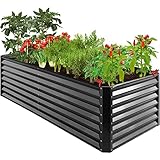 Best Choice Products 8x4x2ft Metal Raised Garden Bed9.7/10View on Amazon
- 2
 DIIYIV 2-Pack 12x4x1ft Galvanized Raised Garden Bed9.6/10View on Amazon
- 3
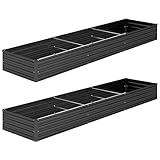 DIIYIV 2-Pack 12x2x1ft Galvanized Raised Garden Bed9.6/10View on Amazon
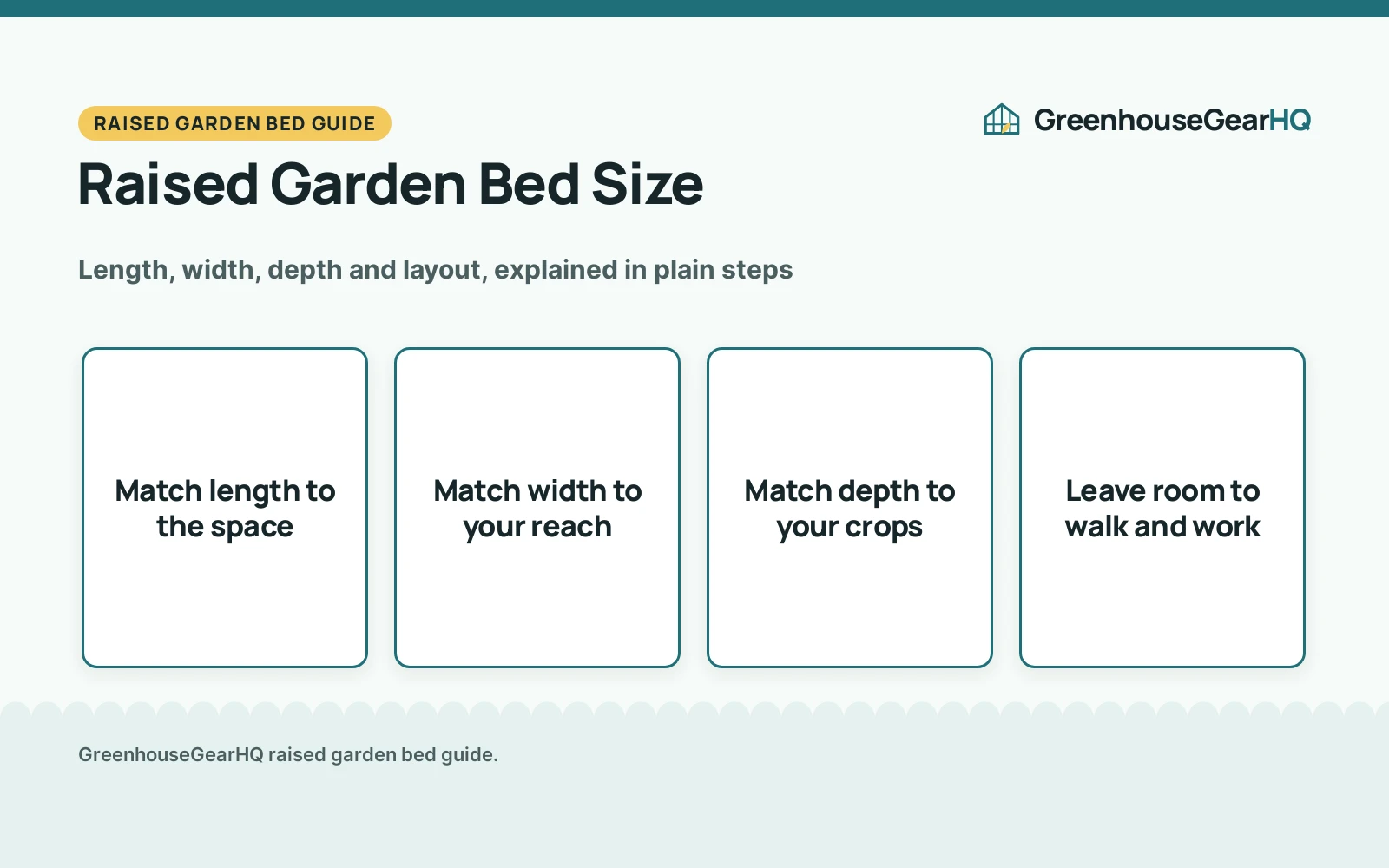
When seed trays crowd the windowsill in late winter, the question of raised garden bed size moves from an idea to a plan. Raised garden bed size covers the length, width and depth of a bed, and each of those measures shapes what grows well in it. Length sets how much planting room a bed gives, width sets how far a gardener reaches from the edge, and depth sets how much soil roots have to grow in.
GreenhouseGearHQ earns a commission when you buy through links on this page, at no extra cost to you. As an Amazon Associate I earn from qualifying purchases. Affiliate disclosure.
What raised garden bed size means
A raised bed is a frame that holds soil above the ground, and its size is the length of the frame, the width across it and the depth of soil inside. Length runs along the garden, width runs across the bed, and depth runs from the soil surface down to the ground below. A bed that fits its place gives every plant room to grow, lets a gardener reach the middle without stepping on the soil, and holds enough soil for roots to spread. A bed that fights its place wastes space and leaves plants crowded at the edges.
Size also shapes the work around the bed. A long bed holds a full row of crops, while a short bed suits a corner or a patio edge. A wide bed grows more in the same length, while a narrow bed suits a path or a wall. A deep bed suits root crops and dry summers, while a shallow bed suits herbs and leafy greens. The right size is the size that fits the space, the gardener and the crops together.
How to pick a raised garden bed size that fits your yard
Start with the ground, not the catalog. Walk the space, watch where the sun falls through the day, and note where water gathers after rain. Mark the outline of the bed on the ground with string or a hose, then stand at the edge and reach toward the middle. The outline on the ground shows the size better than any picture, and it shows where paths, gates and beds meet.
Measure the space before the bed
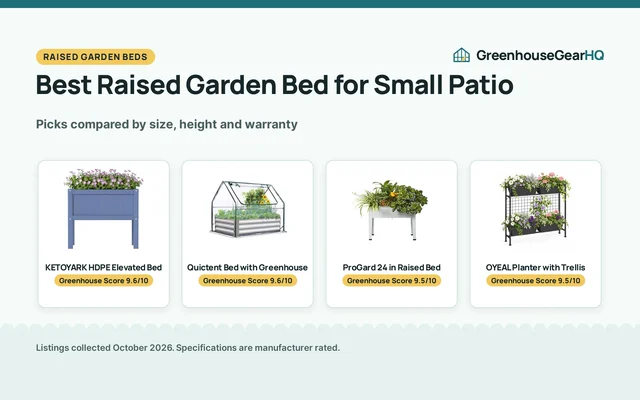
Measure the ground where the bed will sit, and leave room around it for paths, a wheelbarrow and a hose. A bed pressed against a fence leaves no way to reach the far side, so plan access from the sides that stay open. A bed under a low branch or a dripping gutter will fight the gardener all season, so look up as well as across. For a tight patio or a small yard, see the raised garden bed for a small patio picks, which suit narrow spaces.
Match width to your reach
Width is the measure that matters most for comfort. A gardener works a bed from the edge, so width should let a gardener reach the middle without stepping into the soil. A bed open on all sides can run wider than a bed set against a wall, where the far side stays out of reach. Kneeling, bending and stretching all grow harder as width grows, so a narrower bed often means lighter work. When width stays within reach, planting, weeding and picking all stay easy.
Choose depth for your crops
Depth sets how much soil roots have, and crops differ in what they ask of it. Leafy greens and herbs grow well in a shallow bed, while root crops and large plants ask for more room below the surface. A bed set on open ground can draw on the soil beneath it, while a bed set on paving or hard ground relies on the soil inside the frame alone. Deeper beds hold more soil and dry out more slowly, which helps in hot weather, while shallow beds warm sooner in spring. Match depth to the crops on the planting list, and to the ground under the bed.
Plan length around the layout
Length is the most flexible measure, and it follows the space. A long bed suits a straight run along a fence or a path, while a short bed suits a corner, a slope or a gap between trees. Long beds need a path across them at intervals, or the far end becomes a long walk around. Short beds let a gardener cross the garden without circling. A row of beds of the same length looks tidy and makes paths simple, while beds of mixed lengths fit awkward corners. For tall crops that climb, a garden trellis for raised beds adds height without adding width.
Layout, paths and access
Beds work as a set, so plan the gaps between them as carefully as the beds themselves. A path should let a wheelbarrow pass, let a gardener kneel beside a bed, and let a hose run without crushing plants. Paths of grass, mulch or gravel all work, and a firm path stays usable after rain. Place beds so the sun reaches them through the day, with tall crops where their shade falls on paths rather than on low plants. Leave a clear way to every bed, so no bed becomes a chore to reach.
Material also shapes size. Timber, metal and stone all build beds of any length, but each has a feel and a working life. Timber suits a garden that changes shape over the years, while metal holds a crisp edge through wet seasons. Compare the options in the cedar vs metal raised garden beds guide before choosing a material, since the material decides how a bed ages and how often it needs care.
Soil, filling and depth
A raised bed is only as good as the soil inside it, and size decides how much soil that means. Deeper beds hold more soil, which costs more to fill and settles more over the season, so fill a deep bed in layers and top it up as the soil sinks. A mix of soil and compost suits most crops; see the soil compost mix for raised beds picks for blends that suit beds. Fill to near the top of the frame, water the bed well before planting, and expect the level to drop as the soil settles. A shallow bed needs less soil and warms sooner, while a deep bed holds moisture longer and suits crops with long roots.
FAQ for growers
What is a good raised garden bed size for a beginner?
A bed that fits the space, stays within reach from the edge, and holds enough soil for the crops on the list. Start with a bed that leaves clear paths around it, then add beds as the garden grows.
How wide should a raised garden bed be?
Wide enough to reach the middle from the edge without stepping on the soil. A bed open on all sides can run wider than a bed against a wall, where the far side stays out of reach.
How deep should a raised garden bed be?
Deep enough for the roots of the crops planned for it. Leafy greens and herbs suit a shallow bed, while root crops and large plants need more room below the surface.
Can a raised garden bed be too long?
Length itself is rarely the problem. A very long bed without a path across it makes the far end a long walk around, so break a long run with a crossing path.
Keep reading
See every raised garden beds guide and all raised beds and planters guides. Also see the raised garden bed for strawberries picks and the raised bed for potatoes picks.
More picks: raised bed cover with PVC pipe, raised bed vs container gardening, round galvanized raised garden bed and raised garden bed for cut flowers.