On this page
Top picks at a glance
As an Amazon Associate I earn from qualifying purchases.
- 1
 Burpee Organic Coconut Coir Seed Starting Mix9.6/10View on Amazon
- 2
 Legigo 200 Pcs 30 mm Peat Pellets for Seedlings Seed Starter9.6/10View on Amazon
- 3
 Organic Mechanics Seed Starting Potting Soil Blend9.7/10View on Amazon
- 4
 Miracle-Gro Seed Starting Potting MixView on Amazon
- 5
 Vermont Compost Company Fort Vee Organic Potting MixView on Amazon
- 6
 1016041RGCE Organic Pro Seed Starting MixView on Amazon
- 7
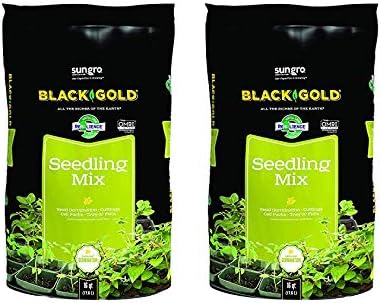 SunGro Horticulture Seedling MixView on Amazon
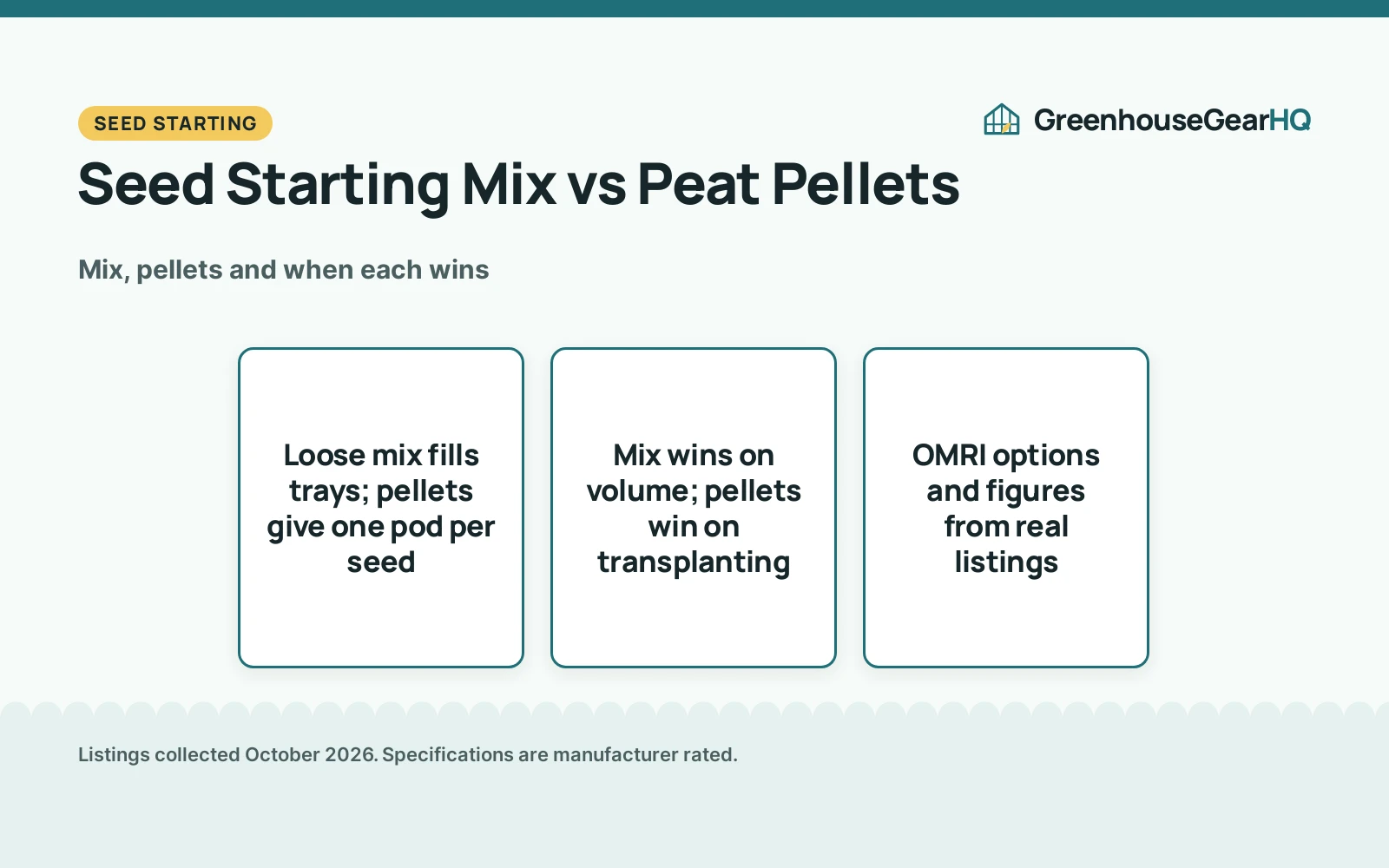
In the seed starting mix vs peat pellets choice, loose mix fills any tray or flat while peat pellets give each seed its own expanding pod. The Burpee coconut coir expands to 16 quarts of mix, while the ZeeDix pellets come as 55 pods of 30mm that swell to 1.4 in thick with water. For a greenhouse, mix wins for flats and volume; pellets win for clean transplanting with no root disturbance. This guide compares the two with figures from real listings.
Other options worth a look
 Burpee Organic Coconut Coir Seed Starting MixCheck price on Amazon
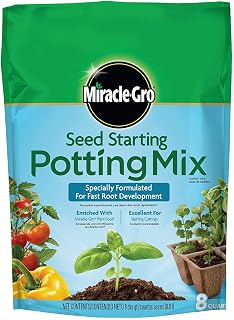 Miracle-Gro Seed Starting Potting MixCheck price on Amazon
 Vermont Compost Company Fort Vee Organic Potting MixCheck price on Amazon
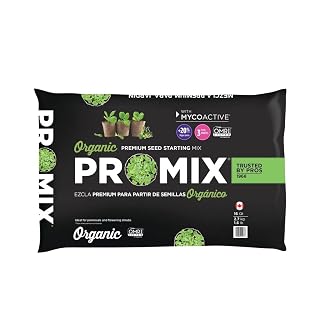 1016041RGCE Organic Pro Seed Starting MixCheck price on Amazon
 SunGro Horticulture Seedling MixCheck price on Amazon
GreenhouseGearHQ earns a commission when you buy through links on this page, at no extra cost to you. As an Amazon Associate I earn from qualifying purchases. Affiliate disclosure.
What each one is
Seed starting mix is a loose growing medium: the Burpee coconut coir brick expands to 16 quarts, the Back to the Roots coir block expands to 51 quarts, and the Espoma seed starter comes as two 16-quart bags with mycorrhizae. Peat pellets are compressed discs in mesh: the ZeeDix 30mm pods expand to 1.4 in thick after absorbing water, and seedlings transplant pot and all with no root disturbance. Learn the hanging basics in our seed starting guides.
Seed starting mix: when it wins
Mix wins for volume and flexibility. The Back to the Roots 51-quart coir block suits filling many trays, and the Burpee 16-quart coir is OMRI listed and certified organic. The Coast of Maine 8-quart Sprout Island blend is OMRI listed with mycorrhizae, and the Midwest Hearth 4-quart mix is pH-balanced for all plant types. Mix also suits amending: the Burpee coir listing says it combines with potting soil and compost. Choose mix when you sow in flats, cell trays or rows.
Peat pellets: when they win
Pellets win for simplicity and transplanting. The ZeeDix pods need only water to expand, then the seedling and its net bag go straight into the garden with no root disturbance and no need to separate the fabric. The listing states organic sphagnum peat moss and a 0.28 kg pack weight. Choose pellets when you want one seed per pod, minimal mess and the easiest possible transplant.
Volume per dollar of shelf space
Compressed bricks win on storage. The Burpee coir brick is a 2.2 lb block that expands to 16 quarts; the Legigo 10-pack bricks are 8x4x2 in each at about 1.4 lb and expand rapidly with water. The Back to the Roots 51-quart coir block weighs 10 lbs and expands to over 2 cubic feet. Ready-to-use bags skip the hydrating step: the Espoma seed starter is two 16-quart bags at 8 lbs, the Coast of Maine blend is 8 quarts at 4.6 lbs, and the Midwest Hearth mix is 4 dry quarts at 0.86 kg. If you sow once a year, a single brick covers a season; if you succession-sow, the 51-quart block or the Espoma two-pack reduces reordering.
Feeding and pH
Seed starting mixes are usually lean, but the listings vary. The Espoma includes mycorrhizae for root growth with no synthetic plant foods. The Coast of Maine blend carries a mild organic fertilizer charge with mycorrhizae. The Burpee 9-quart potting mix feeds plants instantly then slow-releases for up to 3 months. The Miracle-Gro houseplant mix, a 4-quart bag, feeds for up to 6 months but is formulated for houseplants, not seed starting. The Midwest Hearth 4-quart mix is pH-balanced for all plant types. For seeds, lean and pH-balanced beats rich: seedlings need little feeding until true leaves appear.
Seed starting mix vs peat pellets: which should you choose?
Start with mix for flats, large batches and amending beds; the 51-quart Back to the Roots block is the volume pick here. Start with pellets for small batches, herbs and flowers where each seedling gets its own pod. Many growers use both: mix for the main sowing and pellets for tricky seeds. For budget options see our cheap seed starting guides.
In the Greenhouse
- Fill flats with mix: the Burpee coir gives 16 quarts per brick, the Back to the Roots coir 51 quarts per block.
- Sow one seed per ZeeDix pellet, water to expand to 1.4 in thick, and transplant pod and all.
- Choose OMRI-listed options like the Burpee coir or Coast of Maine blend for organic growing.
- The Espoma mix includes mycorrhizae for root growth; the Midwest Hearth 4-quart mix is pH-balanced.
FAQ for growers
How much mix does a coir brick make?
The Burpee brick expands to 16 quarts and the Back to the Roots block to 51 quarts, both with water. The Legigo 10-pack bricks are 8x4x2 in each at about 1.4 lb.
Do peat pellets need the mesh removed?
No. The ZeeDix listing states there is no need to separate the non-woven fabric during transplantation.
Which are OMRI listed?
The Burpee coconut coir, the Back to the Roots coir block and the Coast of Maine Sprout Island blend are OMRI listed. The ZeeDix pellets state organic sphagnum peat moss with no OMRI claim.
Can you reuse peat pellets?
The listings do not state reuse guidance; pellets are single-use by nature, while coir can be reused per the Legigo listing.
Which suits beginners?
Pellets: water, sow and transplant with no root disturbance. Mix suits growers who already own trays and want volume.
Keep reading
See every seed starting guide.
More guides: small greenhouses for seed starting.