On this page
Top picks at a glance
As an Amazon Associate I earn from qualifying purchases.
- 1
 YoLink Freezer Thermometer Hygrometer Kit9.8/10View on Amazon
- 2
 Govee Smart Bluetooth Thermometer Hygrometer H5074 with9.7/10View on Amazon
- 3
 Govee Indoor Hygrometer Thermometer H5075 with Bluetooth App9.7/10View on Amazon
- 4
 TempPro TP50 Digital Hygrometer Indoor Thermometer RoomView on Amazon
- 5
 TempPro TempAir Digital Hygrometer Indoor Thermometer RoomView on Amazon
- 6
 TempPro TempAir Digital Hygrometer Indoor ThermometerView on Amazon
- 7
 TempPro TP49 2 Pack Digital Hygrometer Indoor ThermometerView on Amazon
- 8
 AcuRite Wireless Digital Indoor Thermometer and HygrometerView on Amazon
- 9
 Goabroa Mini Hygrometer Thermometer Digital Indoor HumidityView on Amazon
The thermometer vs hygrometer question comes down to this: a thermometer measures temperature and a hygrometer measures humidity, and in a greenhouse the readings work as a pair: temperature tells you when to vent or heat, humidity tells you when the air is getting damp enough for mold or dry enough to stress seedlings. Most greenhouse growers end up watching both, often on a single combo display. A note on the reference listings below: they are thermometers for people and food, not greenhouse instruments, so the figures illustrate thermometer types while the hygrometer side is explained without numbers.
Other options worth a look
 TempPro TP50 Digital Hygrometer Indoor Thermometer RoomCheck price on Amazon
 TempPro TempAir Digital Hygrometer Indoor Thermometer RoomCheck price on Amazon
 TempPro TempAir Digital Hygrometer Indoor ThermometerCheck price on Amazon
 TempPro TP49 2 Pack Digital Hygrometer Indoor ThermometerCheck price on Amazon
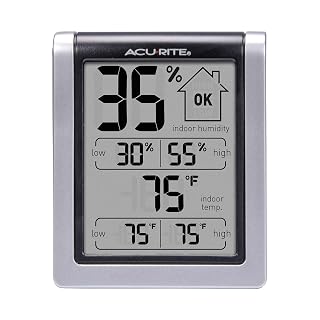 AcuRite Wireless Digital Indoor Thermometer and HygrometerCheck price on Amazon
 Goabroa Mini Hygrometer Thermometer Digital Indoor HumidityCheck price on Amazon
GreenhouseGearHQ earns a commission when you buy through links on this page, at no extra cost to you. As an Amazon Associate I earn from qualifying purchases. Affiliate disclosure.
Thermometer vs hygrometer: the short answer
Get a thermometer to track heat and a hygrometer to track moisture, or buy a device that shows both. Temperature alone cannot tell you the air is too damp, and humidity alone cannot tell you the greenhouse is overheating. Start with a thermometer-hygrometer combo.
What a thermometer tells you
Thermometers come in several forms, and the listings show the range. Infrared forehead thermometers like the iHealth PT3 and the GoodBaby models read in 1 second with 0.1-degree resolution; the GoodBaby listings add a room and object mode and say the device works best in stable room temperatures from 50 to 104 degrees Fahrenheit. The iHealth PT3 lists a range of 89.6 to 109.2 degrees Fahrenheit with a 12-month warranty. Probe thermometers go wider: the Alpha Grillers lists 1 to 300 degrees Fahrenheit with a 1 to 2 second response and an IP67 waterproof rating, and the TempPro lists plus or minus 0.9 degrees Fahrenheit accuracy with a 4.3 inch probe and an IP65 rating.
For greenhouse air, the useful figures are the room-temperature behavior: a thermometer that reads room air steadily across the 50 to 104 degree band covers everything from a cold night to a hot July afternoon. The forehead and food designs in these listings are made for people and cooking, so a greenhouse grower would look for the same sensor idea in a wall-mount or probe form made for air.
What a hygrometer tells you
No hygrometer appears in the reference listings, so there are no figures to quote here. A hygrometer measures relative humidity, the amount of moisture in the air compared with what the air can hold at that temperature. In a greenhouse, high humidity with poor airflow invites mold and damping-off on seedlings, while very dry air stresses young plants and dries soil fast. Because warm air holds more moisture than cool air, the humidity reading only makes sense next to the temperature reading, which is why thermometer and hygrometer are usually sold together.
Why greenhouses usually need both
Ventilation decisions need both numbers. A greenhouse on a hot afternoon with dry air wants different handling than the same temperature with saturated air: the first may just need shade, the second needs airflow. Watering decisions lean on humidity too, since damp air slows soil drying. A combo thermometer-hygrometer on the wall gives both readings at a glance, and models with a probe, like the digital thermometer hygrometer with probe picks, can report conditions at plant level while the display sits where you read it.
Placing the sensor
Where the instrument sits decides what it reports. Hang or mount it at plant height in the shade, away from heaters, doors and direct sun on the glazing, since a sensor in a sunbeam reports the sunbeam, not the greenhouse. The GoodBaby listings’ advice to measure in stable room temperatures applies here too: avoid spots with wild swings, like right above a heat mat or beside a frequently opened door. If you run a cold frame or a second zone, it needs its own sensor.
Read the listing twice
Instrument listings mix purposes, so check what the device is made for:
- People thermometers: the iHealth, GoodBaby, Boncare and ANMEATE listings are forehead or oral thermometers for humans. Their room and object modes read air temperature, but they are not weather instruments.
- Food thermometers: the Alpha Grillers and TempPro listings are probe thermometers for cooking, with wide ranges and waterproof ratings that suit kitchens, not greenhouse walls.
- Waterproof ratings: the Alpha Grillers lists IP67 and the TempPro lists IP65. A greenhouse hygrometer lives in damp air, so look for a stated moisture rating on any instrument you mount inside.
- Memory and alarms: several listings store past readings and sound fever alarms. On a greenhouse instrument, the equivalents worth looking for are min-max memory and high-low alarms.
What this guide does not cover
We do not give target temperatures or humidity levels, because they depend on the crop, the season and the structure. Your seed packets and your local extension office give those figures. We also do not cover thermostats or controllers; see our greenhouse thermostats guides for devices that switch heaters and fans.
FAQ for growers
Do I need a thermometer or a hygrometer for my greenhouse?
Both readings matter, so a combo is the usual answer. Temperature tells you when to vent or heat; humidity tells you when the air is too damp or too dry.
Can a forehead thermometer measure greenhouse temperature?
The GoodBaby listings include a room and object mode and state the device works best in stable room temperatures from 50 to 104 degrees Fahrenheit. It can spot-check air temperature, but it is not a mount-and-monitor greenhouse instrument.
Where should I place a thermometer-hygrometer?
At plant height, in the shade, away from heaters, doors and direct sun on the glazing. Avoid spots with wild temperature swings so the readings reflect the growing zone.
What do IP ratings mean on these listings?
They state water resistance. The Alpha Grillers lists IP67 and the TempPro lists IP65. For a damp greenhouse, a stated moisture rating is worth having on any mounted instrument.
Do any of these listings state a warranty?
The iHealth PT3 lists a 12-month warranty, and several GoodBaby and ANMEATE listings state a 1-year manufacturer term. Warranty terms vary by listing, so check before buying.
Keep reading
See every thermometers and hygrometers guide and all light and heat guides.
More picks: thermometer hygrometers under 20, thermometers for high humidity, humidity for grow tents and wifi vs RF thermometers.