On this page
Top picks at a glance
As an Amazon Associate I earn from qualifying purchases.
- 1
 Mr. Heater 99.7/10View on Amazon
- 2
 Avenger 189.7/10View on Amazon
- 3
 Mr. Heater 1259.7/10View on Amazon
- 4
 BioGreen Electric Greenhouse Heater & Fan with DigitalView on Amazon
- 5
 lesotc Smart Greenhouse Heater for Plants VegetableView on Amazon
- 6
 Mr. Heater 3View on Amazon
- 7
 Mr. Heater Golf Cart 4View on Amazon
- 8
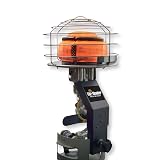 Mr. Heater Original 540-Degree 45View on Amazon
- 9
 Mr. Heater 20View on Amazon
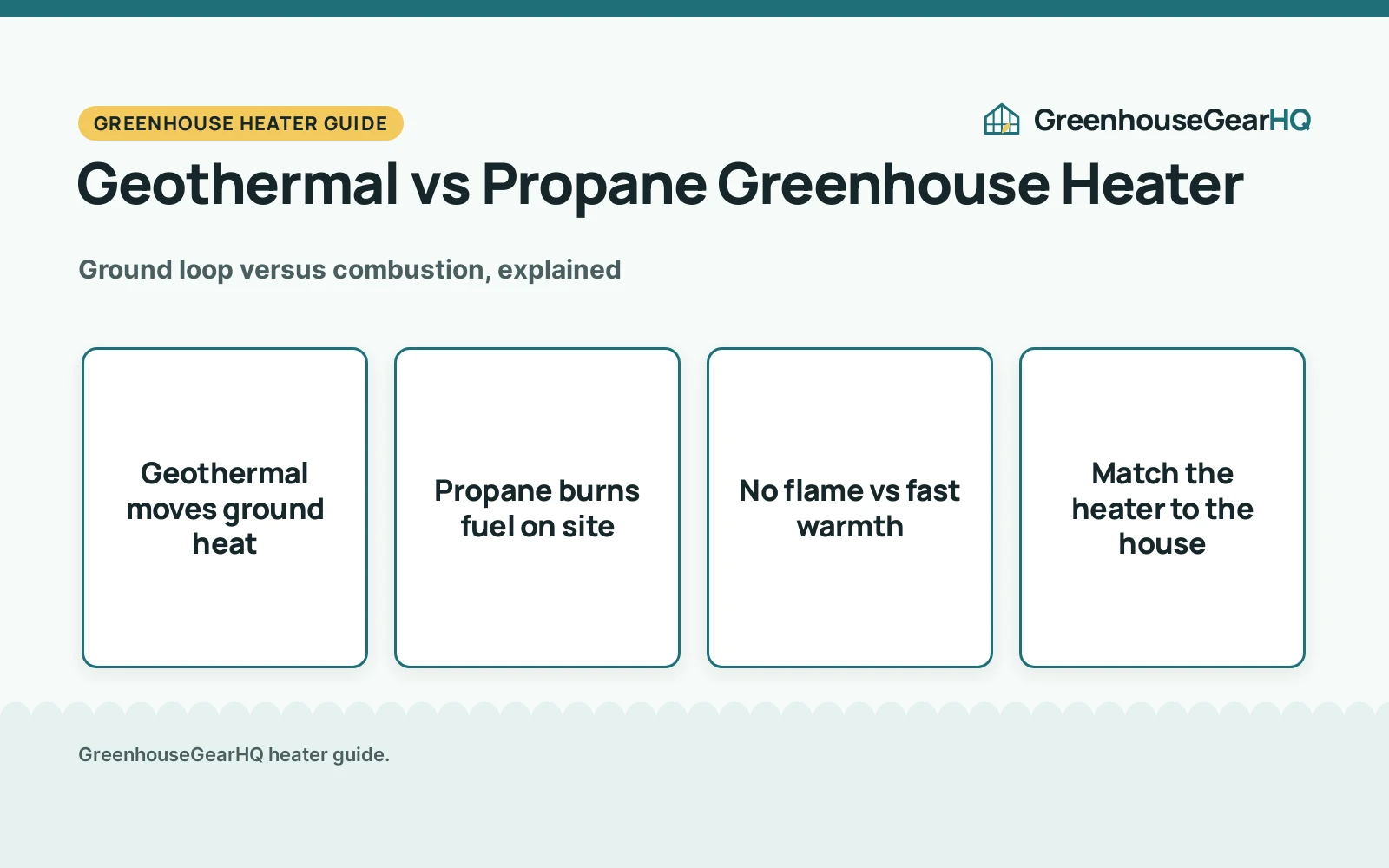
When winter nights threaten the plants, growers weigh a geothermal vs propane greenhouse heater. The short answer: a geothermal system moves steady ground heat into the house through a loop or heat pump, while a propane heater burns fuel on site for fast, powerful warmth. One trades big installation work for low running effort; the other trades fuel deliveries and venting for quick heat.
Other options worth a look
 BioGreen Electric Greenhouse Heater & Fan with DigitalCheck price on Amazon
 lesotc Smart Greenhouse Heater for Plants VegetableCheck price on Amazon
 Mr. Heater 3Check price on Amazon
 Mr. Heater Golf Cart 4Check price on Amazon
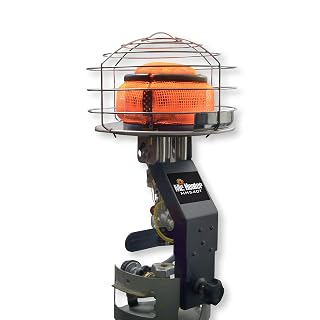 Mr. Heater Original 540-Degree 45Check price on Amazon
 Mr. Heater 20Check price on Amazon
GreenhouseGearHQ earns a commission when you buy through links on this page, at no extra cost to you. As an Amazon Associate I earn from qualifying purchases. Affiliate disclosure.
Geothermal vs propane greenhouse heater: how each one heats
A geothermal greenhouse heater does not make heat so much as move it. A ground loop or heat pump draws on the steady temperature below the surface and delivers it into the house, with no flame and no combustion gases. A propane heater burns propane in a burner, turning fuel into heat right there in the space, which means it needs a fuel supply and proper venting. No geothermal or propane listing is in the reference data, so both sides are explained without figures; the electric heater listings in the data are a different category and are not cited here.
Geothermal: heat from the ground
Geothermal suits the grower planning for the long term. The ground loop is the big job: trenching or boreholes to bury the loop, then a heat pump and distribution inside the house. Once installed, the system runs on electricity for its pumps and compressor, produces no flame and no combustion gases, and delivers steady warmth rather than blasts of hot air. It keeps working as long as its power holds, so a backup power plan matters in outage-prone areas.
Choose geothermal when the greenhouse is a permanent structure and the budget covers installation. It is the quietest option of the two, with no burner noise and no fuel deliveries to schedule.
Propane: heat from a flame
Propane suits the grower who needs heat now. A propane heater burns fuel on site, so it warms a cold house fast and keeps running through power outages that would stop an electric system. The tradeoffs are the fuel itself: tanks or lines to install and refill, combustion gases that must be vented safely, and moisture as a byproduct of burning. Placement and venting are safety decisions, not afterthoughts.
Choose propane when the greenhouse needs quick, powerful heat, when outages are common, or when running a ground loop is not practical. Our propane greenhouse heaters with thermostat roundup compares models with temperature control.
Which one should you buy?
| Heater type | Heat source | Installation | Suits |
|---|---|---|---|
| Geothermal | Ground heat via loop or heat pump | Major: trenching or boreholes | Permanent houses, long-term growing |
| Propane | Burned fuel on site | Moderate: fuel supply and venting | Fast heat, outages, seasonal use |
Match the heater to the situation. A permanent greenhouse with the budget for ground work rewards geothermal with steady, flameless heat. A seasonal house, a rental, or a site with unreliable power leans propane for its speed and independence. Either way, pair the heater with a thermostat; see our greenhouse heater picks for electric options with temperature control.
FAQ for growers
Does a geothermal greenhouse heater need digging?
Yes. The ground loop has to go below the surface, which means trenching or boreholes, plus a heat pump and heat distribution inside the house. It is the biggest part of the job.
Does propane heat harm plants?
Burning propane produces combustion gases and moisture, so the heater must be vented properly and placed with care. A correctly installed and vented unit is the standard approach.
Which costs less to run?
It depends on local energy prices. Geothermal moves existing ground heat rather than burning fuel, while propane costs track fuel deliveries. Compare both against your utility and fuel rates before deciding.
What happens in a power outage?
A propane heater keeps burning without electricity, which is one of its main advantages. A geothermal system needs power for its pumps and compressor, so it stops without a backup.
Keep reading
See every greenhouse heaters guide and all climate guides.
More picks: propane greenhouse heaters with thermostat, greenhouse heaters, greenhouse thermostats with app.