On this page
Top picks at a glance
As an Amazon Associate I earn from qualifying purchases.
- 1
 Headwind EZRead 26 Inch9.7/10View on Amazon
- 2
 JMBay Adjustable Gauge9.6/10View on Amazon
- 3
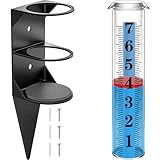 WondMall 7 Inch Gauge9.6/10View on Amazon
- 4
 HOBYLUBY Glass Gauge9.5/10View on Amazon
After a night of steady rain, the beds look soaked, yet the soil a little way down can still be dry enough to need the hose. That gap between how wet the garden looks and how much rain actually fell is why gardeners ask what is rain gauge measurement for. A rain gauge is a marked tube set out in the open that catches falling rain so you can read the depth of water collected against a scale in inches, then empty the tube and start again.
GreenhouseGearHQ earns a commission when you buy through links on this page, at no extra cost to you. As an Amazon Associate I earn from qualifying purchases. Affiliate disclosure.
| # | Product | Greenhouse Score | Buy |
|---|---|---|---|
| 1 | Headwind EZRead 26 Inch | 9.7/10 | Buy on Amazon |
| 2 | JMBay Adjustable Gauge | 9.6/10 | Buy on Amazon |
| 3 | WondMall 7 Inch Gauge | 9.6/10 | Buy on Amazon |
| 4 | HOBYLUBY Glass Gauge | 9.5/10 | Buy on Amazon |

Headwind EZRead 26 Inch
An oversized rain gauge for the reading step, with a float and magnification so the water level can be read from a distance.
Pros
- Listed at 26 inches tall and readable from up to a 50-foot distance
- Funnel made to keep leaves and debris out of the tube
- High visibility float with water level magnification for reading
Cons
- Oversized tube needs a post or open spot with room to hang
- Plastic hanger mount suits flat surfaces rather than soil
- Large gauge stands out in a small bed or border

JMBay Adjustable Gauge
An adjustable height rain gauge for catching and reading rain above low planting, with a detachable tube for emptying.
Pros
- Adjustable height reaching 37 inches, with 27 inch and 18 inch settings
- Scale with ten equal parts per inch in large print
- Thickened transparent plastic tube with cast iron frame
Cons
- Tallest setting needs clear space above surrounding planting
- Four frame sections to connect before use
- Stake and hook mounts need soil or a fence to fix to
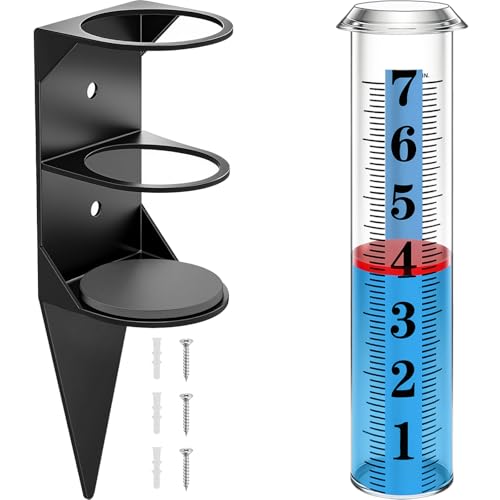
WondMall 7 Inch Gauge
A 7 inch rain gauge for everyday rainfall checks, with a red float and blue strip to make the water level easy to read.
Pros
- Red float inside the tube for reading the level
- Blue strip behind the tube so rain shows clearly
- Cast iron rack holder for post or ground mounting
Cons
- 7 inch tube fills sooner in heavy rain than taller gauges
- Screws needed for post mounting are part of the setup
- Replacement tube must be lifted out to empty and clean

HOBYLUBY Glass Gauge
A decorative glass tube rain gauge for measuring precipitation at a bed edge, with a metal bird bracket.
Pros
- 7 inch glass tube that is easy to read at a bed edge
- Metal bird bracket that works as garden decor
- Detachable tube for emptying after reading
Cons
- Glass tube is stated as not made for freezing weather
- Glass can break if knocked during handling or delivery
- Decorative bracket suits display spots over open measurement spots
As an Amazon Associate I earn from qualifying purchases.
What is rain gauge and what it measures
A rain gauge measures rainfall depth, not volume in a bucket and not how wet the soil feels. Rain falls into an open tube, the water level rises against printed marks, and the mark level with the surface of the water tells you how deep that rain would lie on flat ground. Gardeners use that reading to decide whether beds still need watering and how much rain a storm brought to the beds around a greenhouse.
The parts differ by model, and each part handles a step in that measurement. A funnel at the top guides rain into the tube and, on the Headwind EZRead (on Amazon), is made to keep leaves and debris out so the tube does not clog. A float inside the tube rides on the water surface and makes the level easier to see, a feature the Headwind and WondMall gauges both list. A colored strip behind the tube, listed by JMBay and WondMall, tints the water so the level stands out against the scale in bright light. The mount holds the tube upright and level so the reading stays honest.
Scale detail also differs. JMBay lists ten equal parts per inch with large print, which suits reading small amounts of rain after light showers. The Headwind gauge is listed at 26 inches tall and readable from up to a 50-foot distance, which suits checking the reading from a path or greenhouse door without walking to the gauge. The WondMall and HOBYLUBY gauges (on Amazon) are each listed as 7 inch tubes, a size that suits a fence line or a bed edge where a tall gauge would stand out.
How to read a rain gauge
Set it level in the open
Place the gauge where rain falls straight into the tube, clear of roofs, branches and greenhouse eaves that drip or block. Push a stake mount into soil until the tube sits upright, or hang it straight from a fence or post as the maker directs. A tilted tube gives a reading that shifts with the tilt, so check that it stands level before you rely on it.
Read the level, then empty the tube
Read the gauge after rain has stopped, with your eye level with the water surface, and note the mark that lines up with the surface. On gauges with a float, read the mark level with the float. Then empty the tube, by lifting out a detachable tube where the maker lists a detachable tube, so the next rain starts from empty. Our rain gauge measurement guide goes through reading and record keeping in more detail.
Keep the tube clear
Leaves, soil splash and insects in the tube change the reading and can block a funnel. Rinse the tube when it looks cloudy, clear the funnel after windy weather, and bring glass tubes under cover before hard frost if the maker says the glass is not made for freezing weather, as HOBYLUBY states for its glass tube.
Rain gauges that do the measuring
The gauges below cover the reading step itself, from catching the rain and keeping debris out to making the water level easy to read and emptying the tube for the next rain.
What this guide does not cover
This guide covers manual tube gauges that you read by eye. It does not cover digital gauges that record and transmit readings, or weather stations that combine rain with wind and temperature. If you want a gauge that reports temperature as well, see our digital rain gauge with temperature guide. Pair the rainfall reading with a check of soil moisture in the bed itself, since soil, mulch and shade change how much rain reaches roots.
FAQ for growers
What does a rain gauge measure?
A rain gauge measures the depth of rain that fell, read in inches against the scale on the tube. It does not measure soil moisture, so gardeners still check the bed itself before deciding to water.
How do you read a rain gauge?
Set the tube level in the open, let rain collect, then read the mark level with the water surface or with the float where a float is fitted. Empty the tube after reading so the next rain starts from empty.
What size rain gauge suits a garden?
Size follows how you read it. The Headwind gauge lists 26 inches tall and readability from up to a 50-foot distance, while the WondMall and HOBYLUBY gauges list 7 inch tubes for a fence or bed edge. JMBay lists an adjustable height reaching 37 inches, with shorter settings of 27 inches and 18 inches.
Can a rain gauge stay out in freezing weather?
Check the material. JMBay and WondMall list thickened transparent plastic tubes made to resist cracking in freezing outdoor temperatures, while HOBYLUBY states its glass tube is not made for freezing weather and should be brought in.
Keep reading
See every greenhouse climate guide and our rain gauge measurement guide for reading and records.
More picks: digital rain gauge with temperature, greenhouse thermometers and greenhouse climate guides.