On this page
Top picks at a glance
As an Amazon Associate I earn from qualifying purchases.
- 1
 Mr. Heater 99.7/10View on Amazon
- 2
 InoKraft MAXHEAT MH68 689.7/10View on Amazon
- 3
 Mr. Heater 309.7/10View on Amazon
- 4
 Mr. Heater 9View on Amazon
- 5
 Mr. Heater 3View on Amazon
- 6
 Mr. Heater Golf Cart 4View on Amazon
- 7
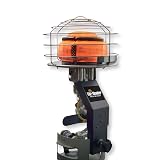 Mr. Heater Original 540-Degree 45View on Amazon
- 8
 VEEVOVOK 15View on Amazon
- 9
 VEEVOVOK 30View on Amazon
A cold snap hits the night the seed trays go out, and the greenhouse that held its warmth all afternoon drops fast. What is the best propane heater for a greenhouse? It is the heater whose stated heat output and coverage fit the space, with stated safety shutoffs and ventilation the listing calls for, and a fuel setup you can run through a frost night.
Other options worth a look
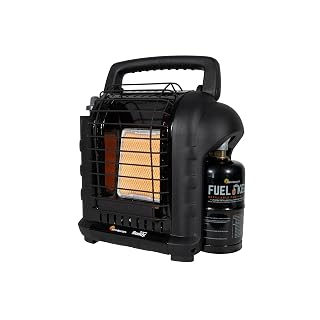 Mr. Heater 9Check price on Amazon
 Mr. Heater 3Check price on Amazon
 Mr. Heater Golf Cart 4Check price on Amazon
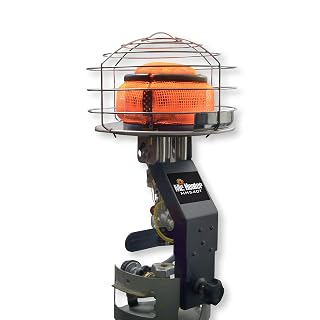 Mr. Heater Original 540-Degree 45Check price on Amazon
 VEEVOVOK 15Check price on Amazon
 VEEVOVOK 30Check price on Amazon
GreenhouseGearHQ earns a commission when you buy through links on this page, at no extra cost to you. As an Amazon Associate I earn from qualifying purchases. Affiliate disclosure.
What a propane heater needs to do
A propane heater has a plain job: burn fuel, move warm air, and stop when something goes wrong. The listing we compared states the figures that decide whether a heater fits: heat output, coverage and safety shutoffs. Heat output tells you how much warmth the unit puts out, coverage tells you how large a space the maker rates it for, and shutoffs tell you what happens when the unit overheats. A heater that states none of those leaves you guessing on the coldest night of the year.
What is the best propane heater: how to choose
The short answer is that the best heater is the heater that fits the greenhouse, not the heater with the biggest number on the box. Work through heat output, controls and ventilation in that order, and check each figure against the listing, not against a roundup.
Match heat output to the space
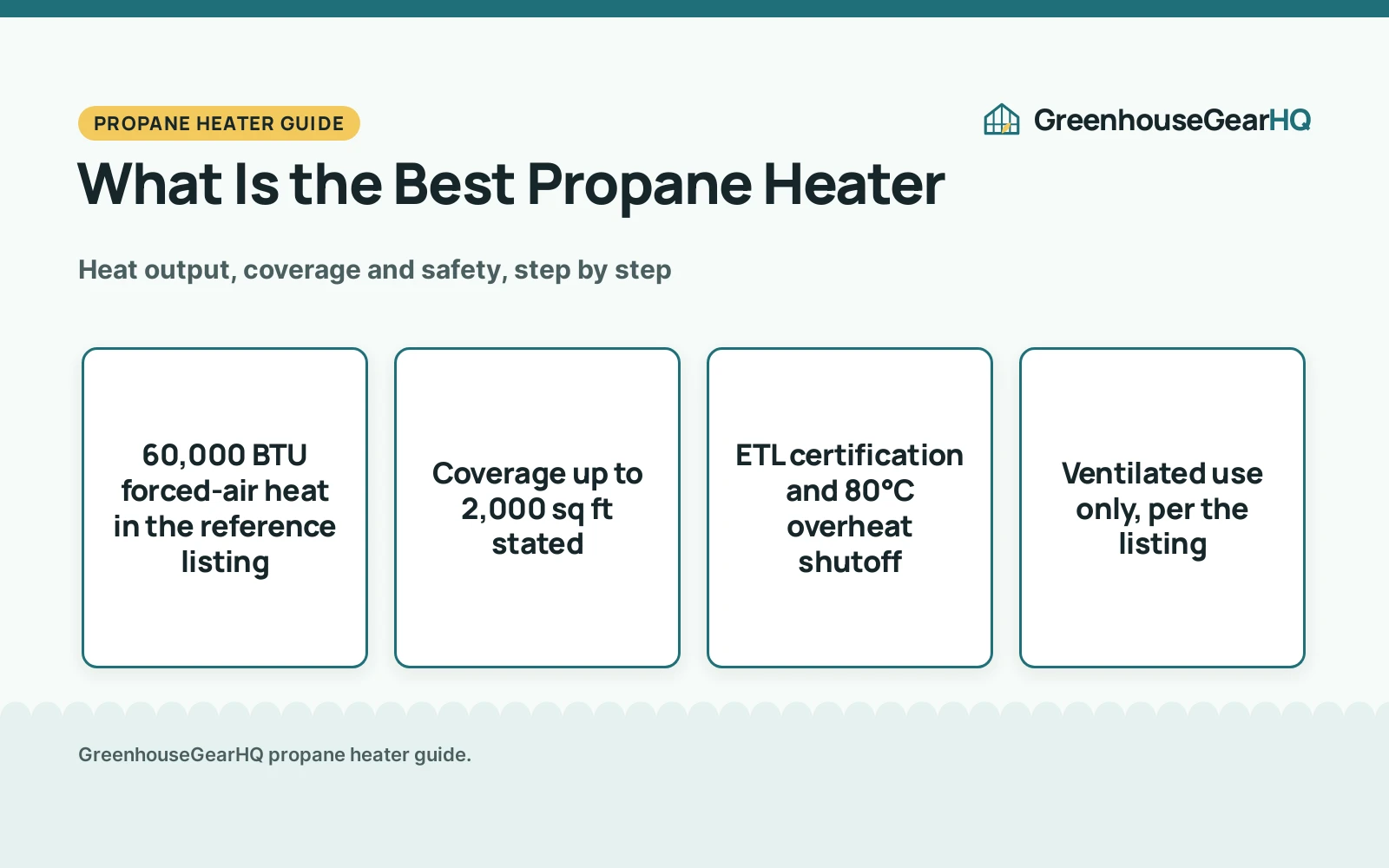
Start with the figures the maker states. The SPECRAFT listing states 60,000 BTU of forced-air heat for work areas up to 2,000 sq ft, so the maker rates that unit for large ventilated spaces such as a garage, a workshop or a jobsite. Compare the stated coverage with the size of the greenhouse before you buy: a unit rated for a far larger space will cycle on and off, while a unit rated for a far smaller space will run flat out on a frost night. The listing also states an adjustable tilt, so the warm airflow can aim at the work zone, and a manual gas valve to regulate fuel flow and heat output.
Check the hose, the controls and the shutoffs
Look at what comes in the box and what stops the heater. The SPECRAFT listing includes a 10 ft hose and regulator, and states continuous spark ignition for startup. It states ETL certification and an 80°C overheat auto shutoff, which are the stated safety features to look for. The propane tank is not included, so plan for the tank separately, and see our guide to how much propane a heater uses when you plan fuel. Read the shutdown steps in the manual: the listing states that the valve at OFF/0 stops gas flow only, while the fan and igniter stay on while the unit is plugged in, and that you should follow the manual cooldown steps before unplugging.
| Heater | Heat output | Coverage | Stated safety | Size |
|---|---|---|---|---|
| SPECRAFT 60,000 BTU forced air heater | 60,000 BTU | Up to 2,000 sq ft | ETL certification, 80°C overheat auto shutoff | 18.1 x 7.1 x 12.0 in |
Ventilation before heat
This is the point that decides whether a propane heater belongs in a greenhouse at all. The SPECRAFT listing states that the heater is for ventilated work areas, and names a garage, a workshop and a jobsite. It does not state greenhouse use. A greenhouse that stays shut on a frost night is not a ventilated work area, so check the manual and the ventilation before you run a forced-air heater inside one. The listing does not state that the heater is safe to leave running unattended, so do not assume it is. Our guide to using a propane heater indoors covers the same ventilation question, and types of propane heaters explains the formats.
What this guide does not cover
We do not give a sizing rule for greenhouses, because the listing we compared rates coverage for ventilated work areas, not for a greenhouse. Your greenhouse size, glazing and local frost dates decide the heat load, and your local extension office can advise on timing for your area. We also do not cover fuel storage or gas line work; follow the heater manual and local rules for propane.
FAQ for growers
What size propane heater do I need for a greenhouse?
Compare the stated coverage with the size of the greenhouse. The SPECRAFT listing states 60,000 BTU of forced-air heat for work areas up to 2,000 sq ft. Pick a heater whose stated coverage fits the greenhouse, and remember the listing rates that coverage for ventilated work areas, not for a closed greenhouse.
Can I use a propane torpedo heater in a greenhouse?
Only where the manual allows it. The SPECRAFT listing states use only in ventilated work areas and names a garage, a workshop and a jobsite; it does not state greenhouse use. Check the ventilation and the manual before running a forced-air heater inside a greenhouse.
What safety features should a propane heater have?
Look for stated safety features in the listing. The SPECRAFT listing states ETL certification and an 80°C overheat auto shutoff, plus a manual gas valve and a regulator with a 10 ft hose. The listing does not state that the heater is safe to leave running unattended.
Does the heater come with a propane tank?
No. The SPECRAFT listing states that the propane tank is not included, while a 10 ft hose and regulator are included. Plan for the tank separately.
Keep reading
See every greenhouse heaters guide and all greenhouse climate guides.
More picks: how to light a propane heater, how long a propane heater lasts, thermostat vs timer for greenhouse heater and how to use an indoor propane heater.