On this page
Top picks at a glance
As an Amazon Associate I earn from qualifying purchases.
- 1
 Air Choice Greenhouse Heater with Digital Thermostat9.7/10View on Amazon
- 2
 Dura Heat EUH1465 Electric Forced Air Heater with PivotingView on Amazon
- 3
 Dura Heat Electric Forced Air HeaterView on Amazon
- 4
 Dura Heat EUH4000R Electric Forced Air Heater with RemoteView on Amazon
- 5
 Mr. Heater 85View on Amazon
- 6
 Mr. Heater 210View on Amazon
- 7
 Mr. Heater 50View on Amazon
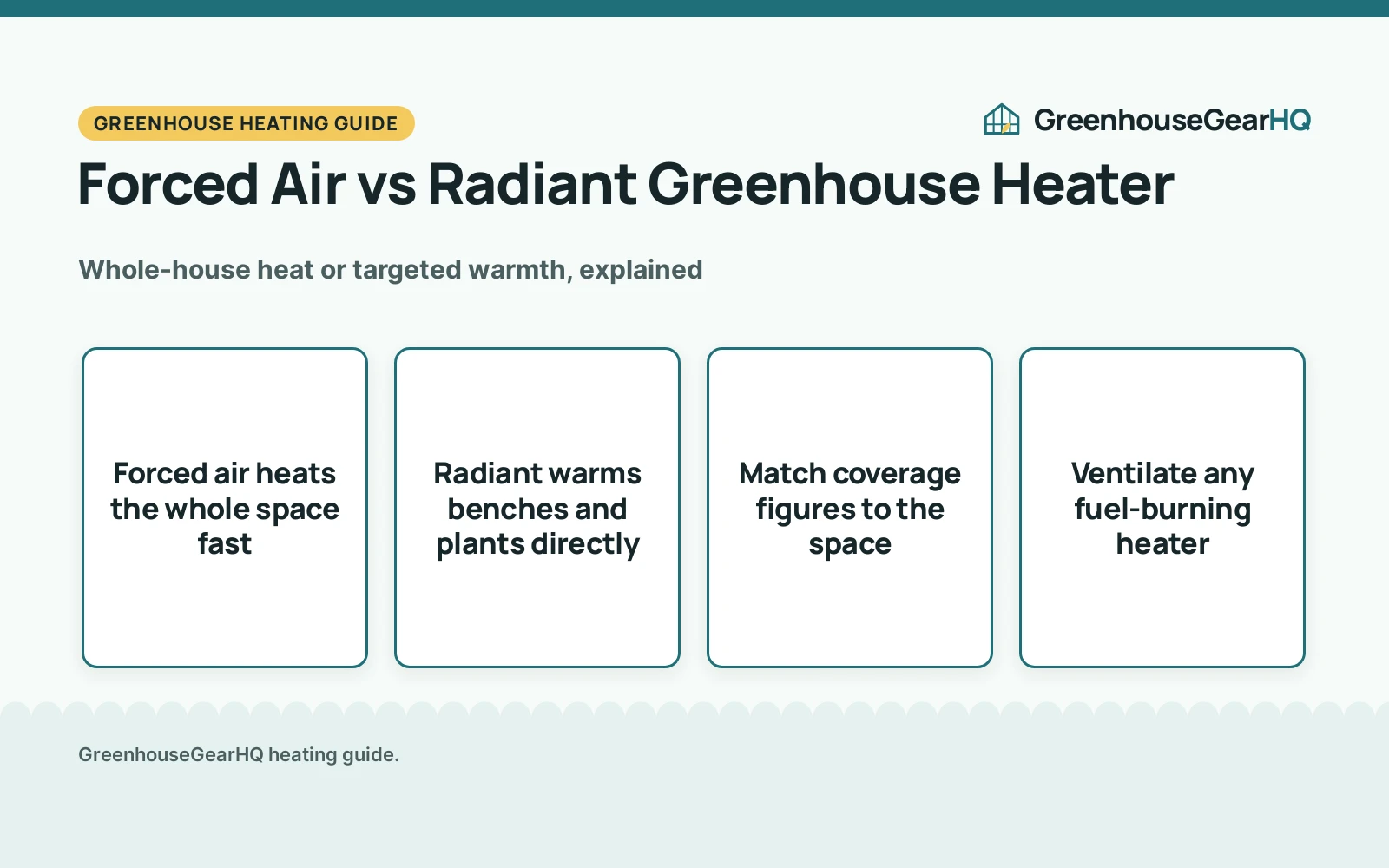
A forced-air greenhouse heater blows heated air through the space for fast, even warmth; a radiant heater warms objects, benches and plants directly with infrared energy, without heating the air first. Pick forced air for large spaces that need quick, even heat; pick radiant for targeted warmth over seedlings and work areas. This guide explains how each type works, what the listings state, and which suits a given greenhouse.
Other options worth a look
 Dura Heat EUH1465 Electric Forced Air Heater with PivotingCheck price on Amazon
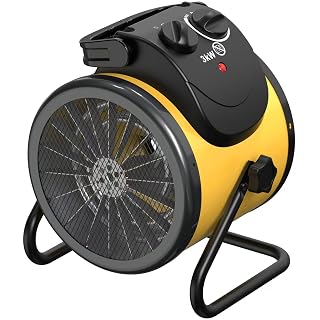 Dura Heat Electric Forced Air HeaterCheck price on Amazon
 Dura Heat EUH4000R Electric Forced Air Heater with RemoteCheck price on Amazon
 Mr. Heater 85Check price on Amazon
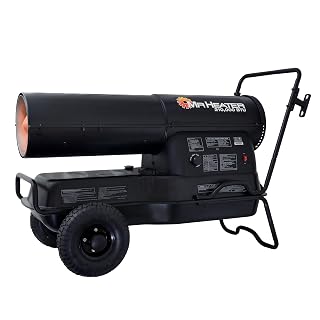 Mr. Heater 210Check price on Amazon
 Mr. Heater 50Check price on Amazon
GreenhouseGearHQ earns a commission when you buy through links on this site, at no extra cost to you. As an Amazon Associate I earn from qualifying purchases. Affiliate disclosure.
Forced air vs radiant greenhouse heater: how they work
A forced-air heater burns fuel or runs an electric element, then uses a fan to push the hot air out into the room. The Mr. Heater listings describe forced-air propane and kerosene heaters from 85,000 to 210,000 BTU, and the Dura Heat listings describe electric forced-air models; in both cases a fan does the distributing. A radiant heater skips the fan: its hot surface radiates infrared energy that warms whatever it faces, benches, pots, soil, people, while the air stays cooler. The AC Infinity THERMOFORGE S7 listing describes a 1000W precision plant heater with heat control, which is the radiant idea aimed at plants rather than rooms.
Heat output and coverage
Forced-air listings span an enormous range. The Mr. Heater 85,000 BTU propane model heats 2,125 square feet, the 125,000 BTU model heats 3,125 square feet, the 170,000 BTU model heats 4,250 square feet, and the 210,000 BTU kerosene model heats up to 5,250 square feet. Electric forced-air runs smaller: the Dura Heat EUH1465 lists 1500W and 5,120 BTU for 250 square feet, while the 240-volt EUH4000 lists 3,750W and 12,800 BTU for 400 to 500 square feet. The radiant example here is far smaller in scope: the AC Infinity THERMOFORGE S7 is a 1000W precision plant heater, built to warm plants, not whole buildings. Match the listing’s coverage figure to the space; a 210,000 BTU torpedo heater is absurd overkill for a hobby greenhouse.
Warm-up speed and heat placement
Forced air warms the whole volume quickly because the fan mixes the heat everywhere, which also evens out cold corners. The trade is dryness and drafts: moving hot air pulls moisture from leaves and soil, and seedlings dislike a direct blast. Radiant heat lands where it points, so a bench of seedlings gets warm while the walkway stays cool; nothing dries out from airflow because there is none. But radiant heat does not mix, so a large house heated only by radiant units develops hot spots under the heaters and cold pockets elsewhere. For germination benches, radiant placement wins; for whole-house frost protection, forced air wins.
Fuel, power and running
The big forced-air listings burn propane or kerosene, which means fuel deliveries, ventilation for combustion gases, and a flame in the building. The electric forced-air listings need only an outlet: the Fanspex runs 1500W or 750W and weighs 3 lbs, easy to move where needed. Electric radiant units like the THERMOFORGE S7 sip power by comparison at 1000W, but they heat a zone, not a house. The Dura Heat EUH4000 listing states a 1-year manufacturer defects warranty, and the Mr. Heater listings state a 1-year limited warranty; check any listing for its term before buying. Never run a fuel-burning heater without the ventilation its manual requires.
Which should you choose?
Choose forced air when the whole greenhouse must stay above freezing and the space is large: the 2,125 to 5,250-square-foot coverage figures on the Mr. Heater listings show the scale this type serves. Choose electric forced air, like the 1500W Dura Heat models at 250 square feet, for a hobby house with an outlet and no fuel handling. Choose radiant when the job is warming plants rather than air: seedling benches, propagation mats’ big brother, a work corner. Many growers pair them, forced air on a thermostat for the house minimum plus a radiant unit over the benches, so the plants stay warm even if the air runs cool.
FAQ for growers
Is forced air or radiant better for seedlings?
Radiant warms the bench directly without drying drafts. Forced air can desiccate seedlings if it blows on them.
How large a space can these heat?
Listings here state 250 square feet on a 1500W electric forced-air model and up to 5,250 square feet on a 210,000 BTU kerosene model. Radiant units heat zones, not houses.
Do fuel-burning heaters need ventilation?
Yes. Propane and kerosene heaters produce combustion gases; follow the manual’s ventilation requirements and never seal the building tight around one.
Which costs less to run?
No listing here states running costs. Electric models draw their stated wattage while on; fuel models burn their stated fuel rate. Compare local electricity and fuel prices.
Keep reading
See every greenhouse heaters guide and all greenhouse climate guides.
More picks: best greenhouse heater and geothermal vs propane greenhouse heater.