On this page
Top picks at a glance
As an Amazon Associate I earn from qualifying purchases.
- 1
 Mars Hydro iHub-Pro 10AC WiFi Power Strip Kit for Grow Room9.5/10View on Amazon
- 2
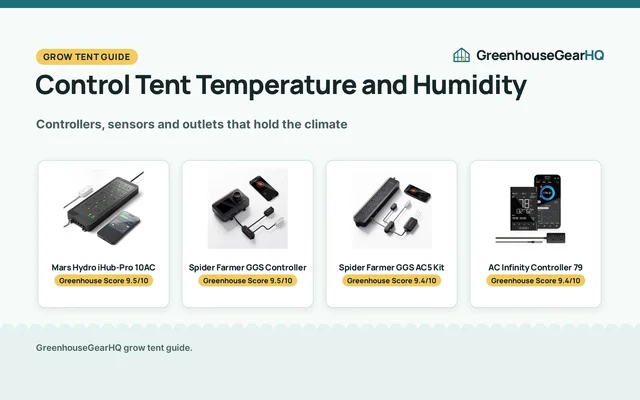
 Spider Farmer GGS Controller Automatic System for Indoor Grow9.5/10View on Amazon
- 3
 AC Infinity Controller 79 Temperature Humidity Outlet9.4/10View on Amazon
- 4
 VEVOR 807 CFM 8 inches Inline Duct FanView on Amazon
- 5
 AC Infinity Temperature Humidity VPD Smart Hygrometer A2 w/View on Amazon
- 6
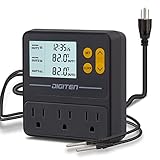 Reptile Temperature ControllerView on Amazon
- 7
 LUXBIRD Digital Temperature Controller LB-2SCView on Amazon
- 8
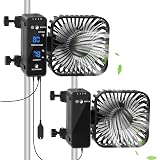 2-Pack 4” Grow Tent Fan With Temperature And Humidity MeterView on Amazon
- 9
 AC Infinity Temperature Humidity VPD Smart Hygrometer B1 w/View on Amazon
On a hot July afternoon, with the tent zipped shut and the leaves wilting by midday, grow tent temperature is the number that decides whether the plants thrive or stall. A tent that runs hot dries the air and stresses the plants, while a tent that runs cold slows growth to a crawl, and the difference between the two is often a fan, a vent or a light left on too long. The steps below show how to measure the temperature, move the air and hold the range your plants need.
Other options worth a look
 VEVOR 807 CFM 8 inches Inline Duct FanCheck price on Amazon
 AC Infinity Temperature Humidity VPD Smart Hygrometer A2 w/Check price on Amazon
 Reptile Temperature ControllerCheck price on Amazon
 LUXBIRD Digital Temperature Controller LB-2SCCheck price on Amazon
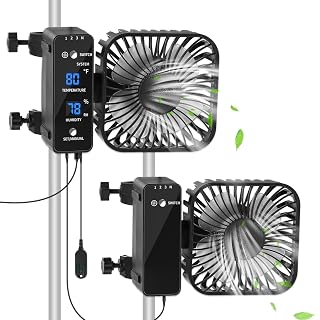 2-Pack 4” Grow Tent Fan With Temperature And Humidity MeterCheck price on Amazon
 AC Infinity Temperature Humidity VPD Smart Hygrometer B1 w/Check price on Amazon
GreenhouseGearHQ earns a commission when you buy through links on this page, at no extra cost to you. As an Amazon Associate I earn from qualifying purchases. Affiliate disclosure.
What a grow tent needs to hold its temperature
Every tent that holds its temperature has the same parts: a thermometer that reads the air where the plants are, a fan that moves air through the tent, vents that let hot air out, a light that adds heat while it runs, and a heater for cold nights. Buy them in that order, because the thermometer reading decides whether the fan, the vent or the heater does the work.
- Thermometer: reads temperature and humidity at canopy height. The Maiweitong 8-pack (on Amazon) lists a -58℉ to 158℉ range with ±2℉ accuracy and readings every 10 seconds.
- Fan: moves air through the tent and out the vent. See the best grow tent ventilation kits.
- Vents: let hot air out and fresh air in. Open them on hot afternoons and close them when the nights turn cold.
- Light: adds heat while it runs. Full-spectrum bars warm a small tent fast, so hang them with room above the canopy.
- Heater: adds warmth on cold nights. See the best grow tent heaters with a thermostat.
How to manage grow tent temperature, step by step
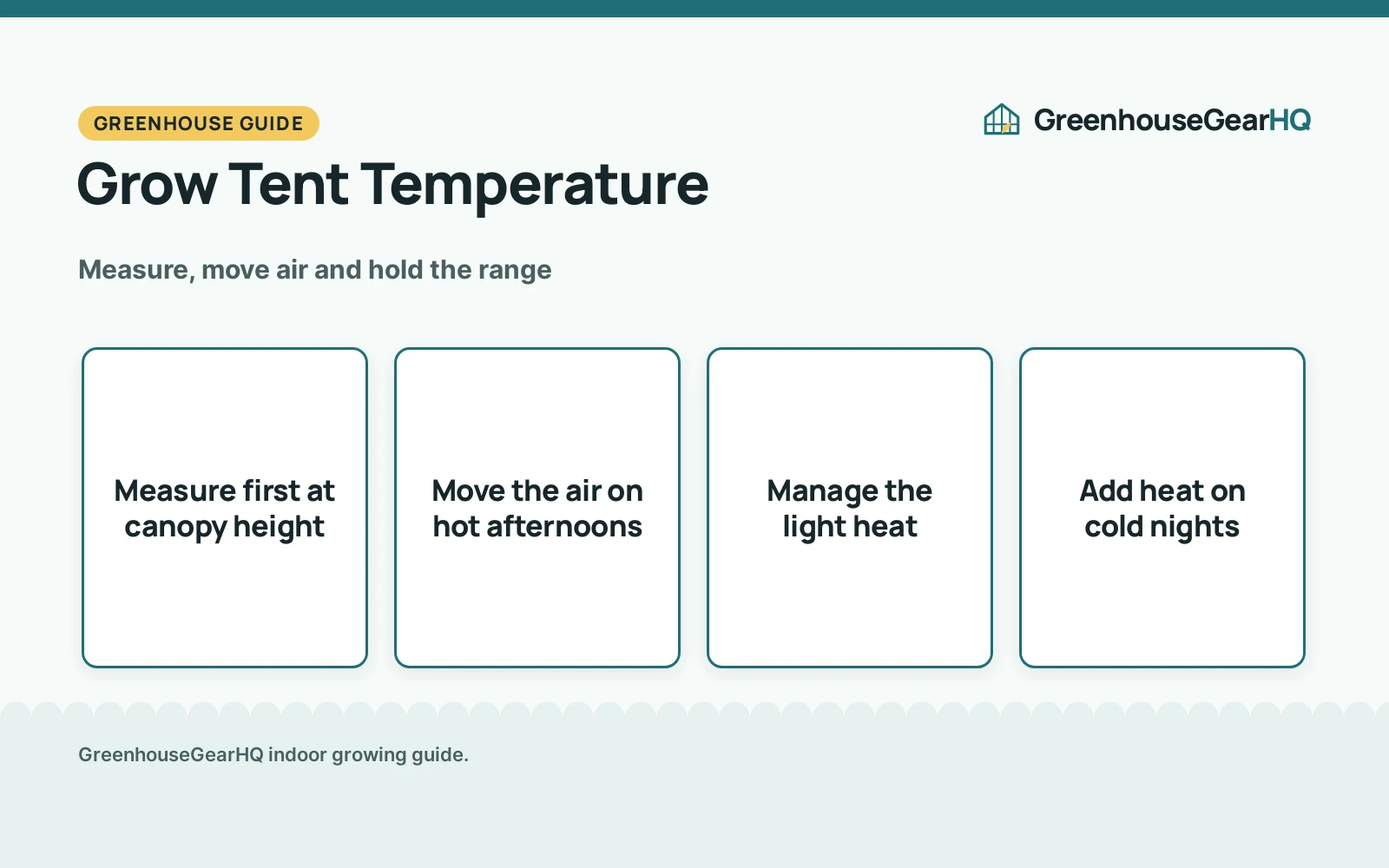
Measure first
Hang a thermometer at canopy height, out of direct light, and read it through the day. The Maiweitong 8-pack lists a -58℉ to 158℉ range, ±2℉ accuracy, readings every 10 seconds and humidity from 10% to 99% RH, so one meter covers both readings. A meter that reads to within 1 degree is enough to spot a hot afternoon or a cold night before the plants show it.
| Reading | What it means | What to do |
|---|---|---|
| Hot afternoons | Light heat and closed vents | Open vents and run the fan |
| Cold nights | Heat escaping through the tent walls | Close vents and add a heater |
| Humidity climbing | Warm air holding more moisture | Open a vent and move the air |
Move the air
Hot air collects at the top of the tent, so run the fan and open the vents on hot afternoons. An inline fan moves air out through the vent, and a small clip fan inside keeps the air moving across the leaves. On a cold night, close the vents and let the tent hold the warmth the light gave it.
Manage the light heat
The light is the largest heat source in a small tent. Hang it with room above the canopy, run it on a timer so the plants get a dark period, and watch the thermometer in the first hour after it switches on. If the temperature climbs fast, raise the light or open a vent before the plants feel it.
Add heat on cold nights
When the nights turn cold, a small heater with a thermostat holds the tent above the range your plants need. Set the thermostat to the low end of the range and let it switch on only when the tent cools. See the grow tent heater vs space heater comparison before you buy.
Watch the humidity with the temperature
Temperature and humidity move together, so read both on the same meter. The Maiweitong meter lists humidity from 10% to 99% RH with ±5% RH accuracy, and a tent that runs hot and dry stresses plants faster than a tent that runs warm and humid. Open a vent to drop the humidity, and close it to hold the moisture in.
In the tent or in the room?
Check where the thermometer sits before you trust the reading. A meter in direct light reads the light, not the air, so hang it at canopy height in the shade of a leaf. A meter on the floor reads the coldest air in the tent, while a meter near the light reads the warmest. If you run a heater, keep the meter away from it, and check the reading at the same spot through the day.
What this guide does not cover
This guide gives no ideal temperatures for your crop, because they depend on the plant and the stage of growth. Your seed packet and the light and heater manuals give those figures, and your local extension office can advise on timing for your area. Fertilizer and pest products are not covered here; follow the product label.
FAQ for growers
What temperature should a grow tent be?
That depends on the crop and the stage of growth, and this guide gives no figure because the listings compared here state none. Use your seed packet and the heater manual for your crop, and measure with a thermometer at canopy height.
How do I lower the temperature in a grow tent?
Open the vents and run the fan to move hot air out, raise the light above the canopy, and run the light at night when the room is cooler. A thermometer that updates every 10 seconds shows the change as it happens.
How do I raise the temperature in a grow tent?
Close the vents to hold the warmth, and add a small heater with a thermostat for cold nights. See the temperature and humidity controller guide for controllers that switch heat on and off.
Where do I put the thermometer in a grow tent?
Hang it at canopy height, out of direct light and away from the heater. The Maiweitong meter lists an embedded opening of 1.81 x 1.06 inches or double-sided tape for mounting, so it fits a tent pole or a wall.
Keep reading
See every Indoor Growing guide and all Grow Tents guides.
More picks: grow tents for mushrooms, fogger vs humidifier for greenhouses, plant humidifiers for beginners and black vs white grow tents.