On this page
Top picks at a glance
As an Amazon Associate I earn from qualifying purchases.
- 1
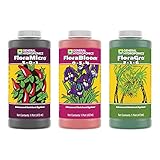 General Hydroponics FloraSeries Advanced Nutrient System9.6/10View on Amazon
- 2
 URUQ 8-Pod Hydroponics Growing System with 24-Watt LED Grow9.5/10View on Amazon
- 3
 Growell 16 Pods Hydroponics Growing System Kit9.5/10View on Amazon
- 4
 iDOO 12Pods Hydroponics Growing System Garden with LED GrowView on Amazon
- 5
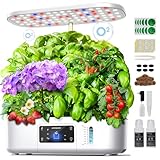 Ahopegarden Hydroponics Growing System: 12 Pods with TouchView on Amazon
- 6
 Small Grow Tent for Aerogarden,30”x18”x36” ,HydroponicsView on Amazon
- 7
 Small Grow Tent for Aerogarden,24”x16”x24” ,HydroponicsView on Amazon
- 8
 Small Grow Tent for Aerogarden,18”x18”x36” ,HydroponicsView on Amazon
- 9
 LETPOT LPH-Max 21-Pod Hydroponic Growing System KitsView on Amazon
A bare corner by a bright window can grow lettuce through winter, but the setup asks for a reservoir, a pump, lights and a way to hold the plants. Hydroponic system cost comes down to what the kit includes and what you still need to buy: the size of the system, the lights, the pump and the ongoing supplies. This guide walks through each part, so you can see where the money goes before you order.
Other options worth a look
 iDOO 12Pods Hydroponics Growing System Garden with LED GrowCheck price on Amazon
 Ahopegarden Hydroponics Growing System: 12 Pods with TouchCheck price on Amazon
 Small Grow Tent for Aerogarden,30”x18”x36” ,HydroponicsCheck price on Amazon
 Small Grow Tent for Aerogarden,24”x16”x24” ,HydroponicsCheck price on Amazon
 Small Grow Tent for Aerogarden,18”x18”x36” ,HydroponicsCheck price on Amazon
 LETPOT LPH-Max 21-Pod Hydroponic Growing System KitsCheck price on Amazon
GreenhouseGearHQ earns a commission when you buy through links on this page, at no extra cost to you. As an Amazon Associate I earn from qualifying purchases.
What a hydroponic system needs
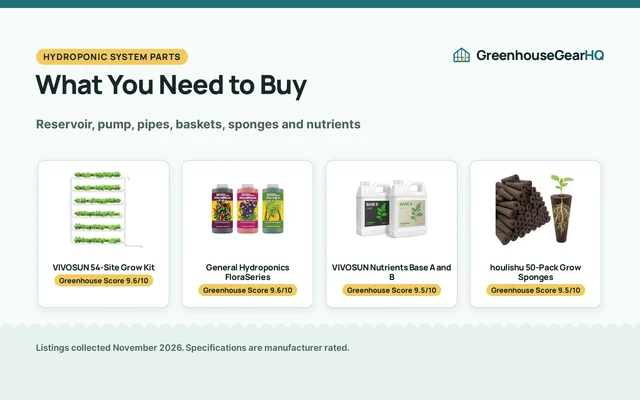
Every hydroponic system has the same parts: a reservoir that holds the nutrient water, a way to hold the plants above the water, a pump that moves the water, lights over the plants, and nutrients to feed them. A kit may include all of these or only some, and the missing parts are where the extra cost sits.
- Reservoir and grow sites: a tank for the nutrient water and a lid or tray with holes that hold the plants. See our hydroponic system parts guide.
- Pump and air: a pump that moves water to the roots and an air pump that keeps oxygen in the water. See our hydroponic growing kit with air pump picks.
- Lights: grow lights that stand in for daylight indoors. See our types of grow lights guide.
- Nutrients and medium: nutrient solution for the water and a growing medium to hold the roots. See our hydroponic system setup guide.
Hydroponic System Cost, Step by Step
Walk through the parts in order, and check what each kit includes before you compare prices. A kit that leaves out the lights or the pump can cost more once you add them.
Start with the size of the system
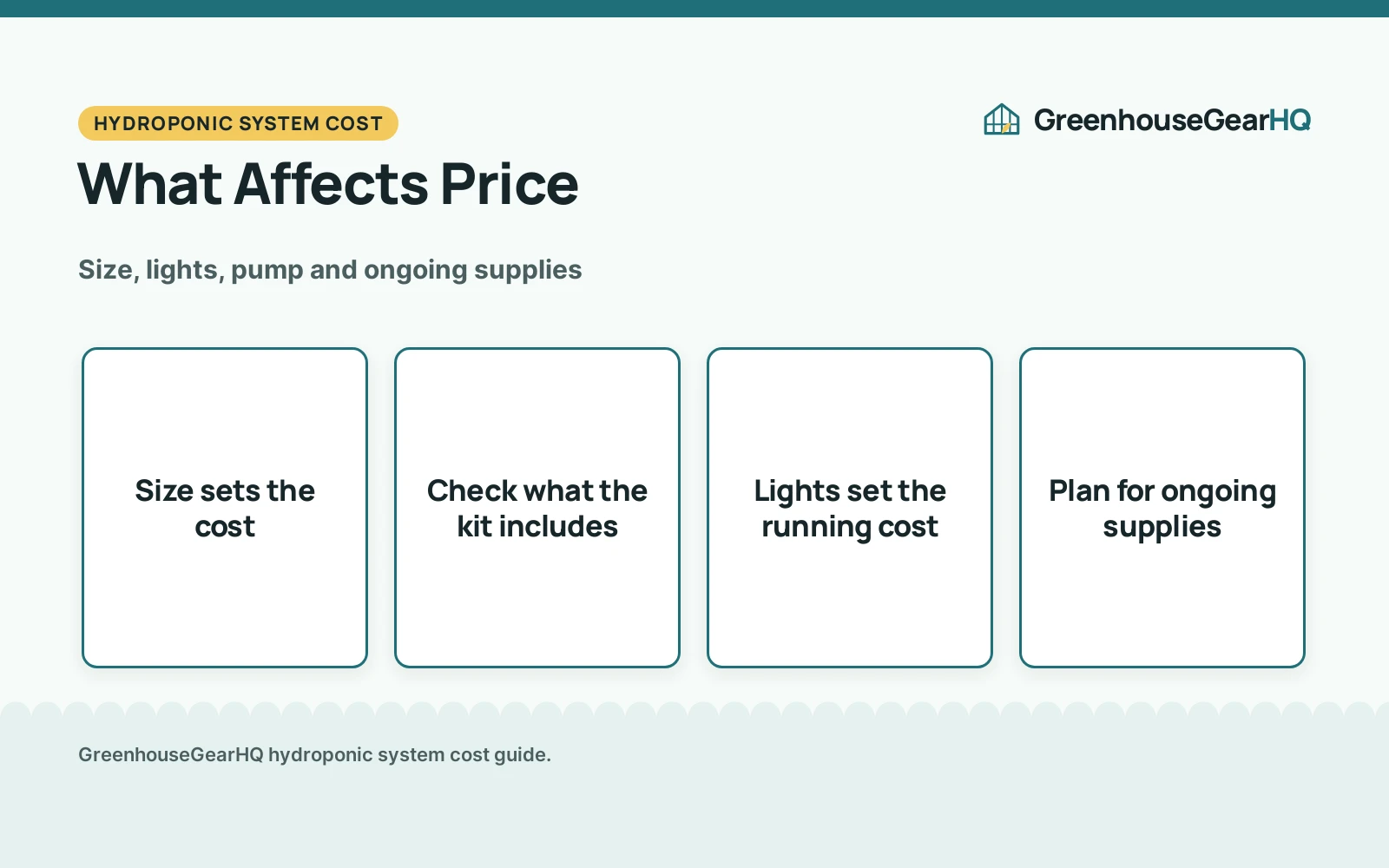
Size sets the cost more than any other part. A small system for herbs on a counter needs a small reservoir, a small pump and a short light, while a large system for leafy greens needs a bigger tank, more grow sites and more light. Pick the size for the plants you plan to grow and the space you have, because a system that is too big for the corner wastes money, and a system that is too small for the crop leaves you buying another kit.
Count what the kit includes
Open the listing and list what comes in the box: reservoir, lid, pump, air pump, lights, timer, net pots, growing medium and nutrients. A kit that includes lights and nutrients costs more up front and less later, while a bare kit costs less up front and more once you buy the missing parts. Match the kit against the parts list above, and note what you still need before you order.
Lights set the running cost
Lights are the part that keeps costing after the kit arrives, because they run while the plants grow and they use power the whole time. A system by a bright window needs less light than a system in a dark corner, and a system in a greenhouse may need no lights at all in summer. Check whether the kit includes lights, what kind they are, and whether you can raise or lower them as the plants grow. See our types of grow lights guide for the kinds of lights growers use.
Pumps, timers and spares
A pump moves the nutrient water to the roots, and a timer switches the pump and the lights on and off. Kits that include a timer and an air pump save you a separate purchase, while kits without them leave you to buy those parts on their own. Keep a spare pump and spare net pots on hand, since a pump that stops leaves the roots dry, and a cracked pot cannot hold a plant.
Ongoing supplies
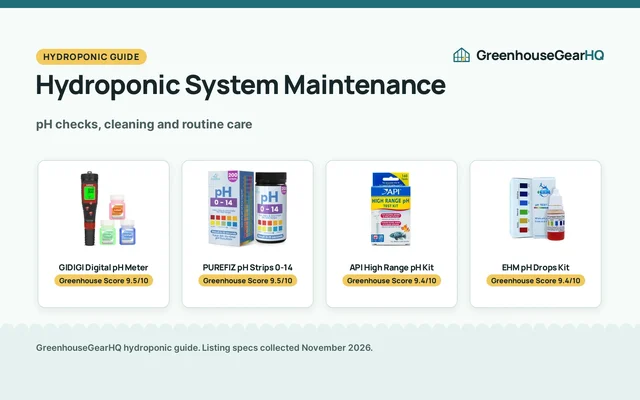
After the kit, the cost keeps coming in small parts: nutrient solution to feed the plants, seeds for each new crop, growing medium to refill the pots, and water for the reservoir. A pH meter helps you check the water, and our cost of pH meter guide covers the options for hydroponic growers. Plan for these supplies from the start, so the first harvest does not stall for want of nutrients.
Indoors or in the greenhouse?
A hydroponic system indoors needs lights, while a system in a greenhouse can use daylight and needs less power for lighting. Indoors you control the light and the temperature, and the system sits near a tap and a power outlet. In a greenhouse daylight does the work of the lights, but the temperature swings with the weather, so the system needs a spot out of direct sun in summer and away from frost in winter. Pick the spot for the light and the water it offers, not just the floor space.
What this guide does not cover
We do not give prices, since kit prices change with the season and the seller. We also do not give nutrient mixing or dosing instructions; follow the nutrient label and the kit manual for amounts, and ask your local extension office if you are unsure. We do not cover electrical work either; if the setup needs a new outlet or a wired timer, ask a qualified electrician.
FAQ for growers
What does a hydroponic system cost to run?
The running cost is the power for the lights and the pump, plus nutrients, seeds and growing medium for each crop. A system by a bright window with small lights costs less to run than a large system in a dark room, so the size and the spot decide the bill.
Do I need grow lights for a hydroponic system?
Indoors, yes: plants need light, and a window alone rarely gives enough through the day. In a greenhouse, daylight may cover it in the bright months, but a light still helps on dark days. Check what lights the kit includes before you buy.
Can I start small with hydroponics?
Yes. Start with a small system for herbs, learn the routine of feeding and checking the water, and add a larger system later when you know what you grow most. A small start keeps the first kit simple and the ongoing supplies light.
Do hydroponic systems need a water pump?
Most systems use a pump to move nutrient water to the roots, and an air pump to keep oxygen in the water. A few passive systems move no water at all and rely on the roots reaching the reservoir, so check the type before you buy. See our types of hydroponic systems guide for the kinds.
Keep reading
See every hydroponic systems guide and all indoor growing guides. Also see our hydroponics growing system for beginners guide and DIY hydroponic system guide.
More picks: best hydroponic system, hydroponic system maintenance and hydroponic system setup.