On this page
Top picks at a glance
As an Amazon Associate I earn from qualifying purchases.
- 1
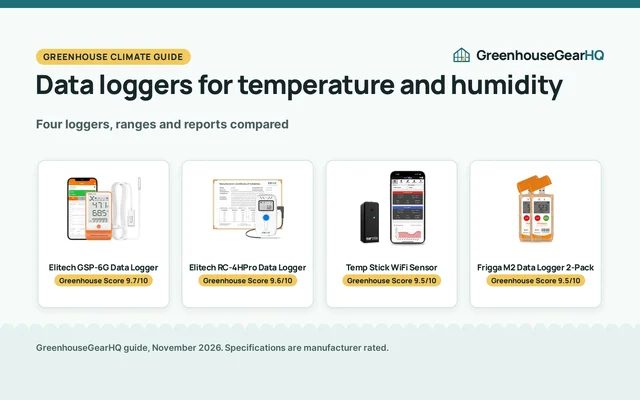
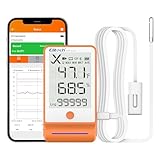 Elitech GSP-6G Temperature Humidity Data Logger9.7/10View on Amazon
- 2
 Elitech RC-4HPro Temperature Humidity Data Logger9.6/10View on Amazon
- 3
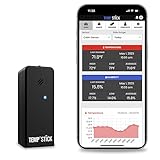 Temp Stick Remote WiFi Temperature and Humidity Sensor9.5/10View on Amazon
- 4
 La Crosse 104-288 Analog Thermometer and Humidity GaugeView on Amazon
- 5
 Goabroa Mini Hygrometer Thermometer Digital Indoor HumidityView on Amazon
- 6
 Sainlogic 12-in-1 Wireless Weather Station with Rain GaugeView on Amazon
- 7
 Vaikby Indoor Thermometer 2PackView on Amazon
- 8
 AcuRite Iris Weather Station with Rain Gauge and WindView on Amazon
- 9
 AcuRiteView on Amazon
On a cold snap morning, when the first seed trays sit under cover and the greenhouse air feels damp and still, a temperature and humidity gauge tells you what the air is actually doing. This guide explains how a temperature and humidity gauge works, what to look for in the display, the range, the accuracy and the power source, and how to place one so the reading means something. Where a number appears, it comes from a product listing we compared, and we name the listing so you can check it.
Other options worth a look
 La Crosse 104-288 Analog Thermometer and Humidity GaugeCheck price on Amazon
 Goabroa Mini Hygrometer Thermometer Digital Indoor HumidityCheck price on Amazon
 Sainlogic 12-in-1 Wireless Weather Station with Rain GaugeCheck price on Amazon
 Vaikby Indoor Thermometer 2PackCheck price on Amazon
 AcuRite Iris Weather Station with Rain Gauge and WindCheck price on Amazon
 AcuRiteCheck price on Amazon
GreenhouseGearHQ earns a commission when you buy through links on this page, at no extra cost to you. As an Amazon Associate I earn from qualifying purchases. Affiliate disclosure.
What to look for in a temperature and humidity gauge
A gauge earns its place by showing two readings you can trust at a glance: air temperature and humidity. The listings we compared cover both jobs in a small unit, digital or analog, and the differences that matter are the display, the measuring range, the stated accuracy, the power source and the mounting. Work through those points in order, and the listing figures will tell you which gauge fits your greenhouse.
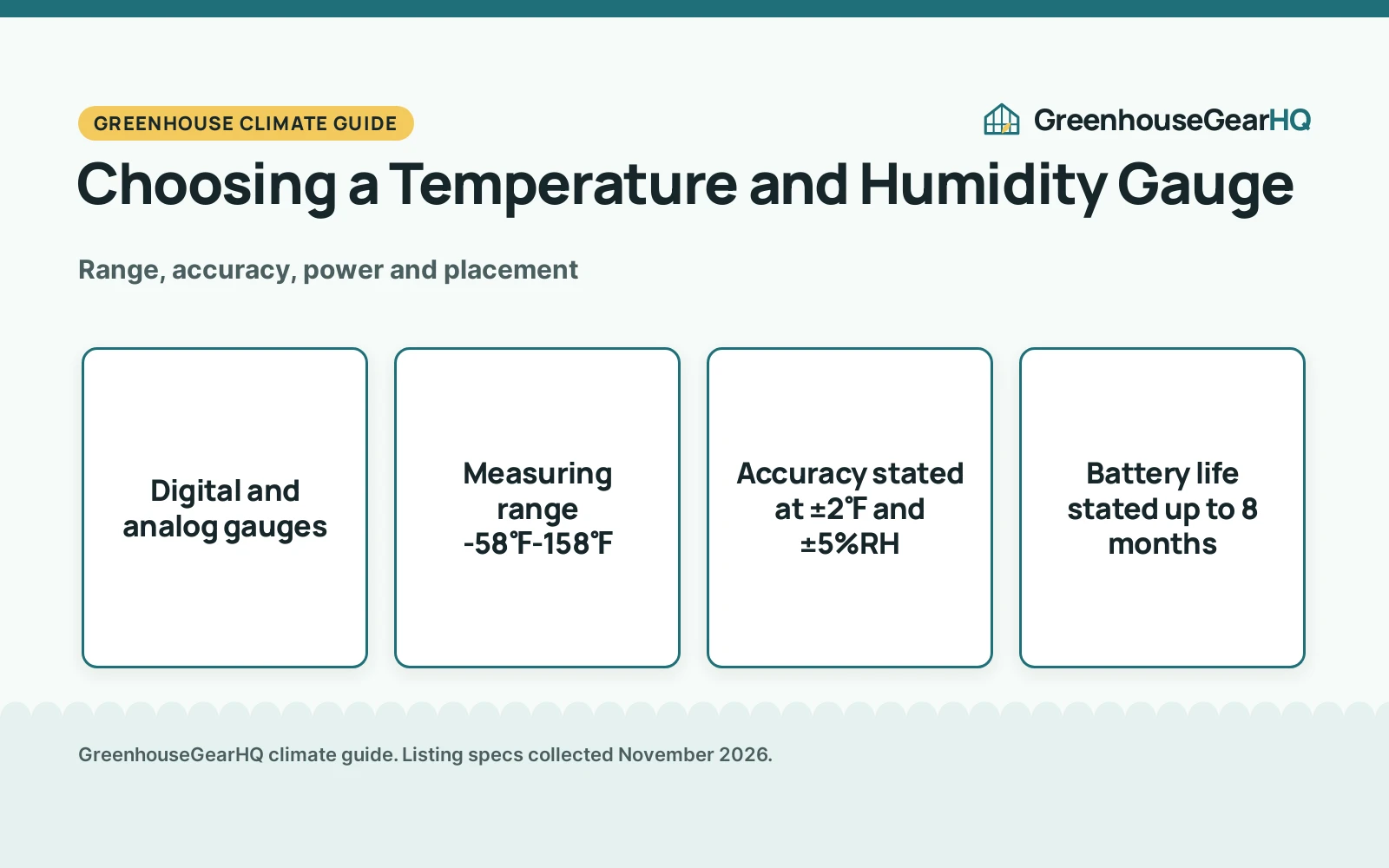
- Display: a digital LCD readout or an analog dial. The TeqyAqs listing shows a digital LCD display in Fahrenheit. The La Crosse listing shows an analog dial that reads temperature in °F or °C and humidity in %RH. See our digital vs analog greenhouse thermometer comparison.
- Range: the span of temperatures and humidity levels the gauge can measure. The TeqyAqs listing gives -58℉-158℉ and 10%-99%RH. The La Crosse listing gives 0°F to 120°F. See our thermometer hygrometers for greenhouses picks.
- Accuracy: how close the reading sits to the true value. The TeqyAqs listing states ±2℉ for temperature and ±5%RH for humidity. The La Crosse listing states factory calibrated and no batteries required.
- Power: what runs the gauge and how long it lasts. The TeqyAqs listing runs on two LR44 button cell, with battery working time up to 8 months. The La Crosse listing needs no batteries.
- Mounting: how the gauge sits where you can read it. The TeqyAqs listing fits an embedded opening size of 1.81*1.06 inch or fixes with double-sided tape. The La Crosse listing hangs on a wall or stands free.
How to choose a temperature and humidity gauge, step by step
Start with the display, then check the range, then the accuracy and power, then the mounting. The listings below give the figures for each step, so compare them side by side before you order.
Pick the display type
A digital display gives a plain number for temperature and humidity, while an analog dial gives a needle on a scale. The TeqyAqs listing shows a digital LCD display in Fahrenheit, with a built-in probe. The La Crosse listing shows an analog dial with a 5 Level indoor comfort level scale that runs from Dry to Wet. Pick the display you can read at a glance from the greenhouse door.
Check the measuring range
The range decides whether the gauge still reads on a frost night and on a hot July afternoon. The TeqyAqs listing gives a temperature range of -58℉-158℉ and a humidity range of 10%-99%RH, and it measures conditions every 10 seconds. The La Crosse listing gives a temperature range of 0°F to 120°F, which is -20°C to 50°C in the same listing. Match the range to the coldest night and the warmest day your greenhouse sees.
| Gauge | Temperature range | Humidity reading | Power |
|---|---|---|---|
| TeqyAqs mini digital gauge | -58℉-158℉ | 10%-99%RH | Two LR44, up to 8 months |
| La Crosse analog gauge | 0°F to 120°F | Comfort scale, Dry to Wet | No batteries required |
Check accuracy and power
Accuracy tells you how much to trust the reading, and power tells you how often you will change a cell. The TeqyAqs listing states a temperature accuracy of ±2℉ and a humidity accuracy of ±5%RH, and it runs on two LR44 button cell for up to 8 months. The La Crosse listing states factory calibrated and no batteries required, so there is no cell to change. If you want readings over time rather than a single glance, our greenhouse data loggers record conditions through the day. A gauge that needs no batteries suits a spot you rarely visit, while a digital gauge suits a spot where you want a plain number.
Mount it where you can read it
Place the gauge at plant height where air moves, away from a heater or a sunlit wall, and read it at the same time each day so readings compare. The TeqyAqs listing fits an embedded opening size of 1.81*1.06 inch or fixes with double-sided tape, and the unit measures 1.13 inches x 1.13 inches x 0.6 inches. The La Crosse listing hangs on a wall or stands free, and it measures 6.3 inches x 1.0 inches x 3.18 inches. The TeqyAqs listing sells a 6-Pack, so a box covers several spots around the greenhouse.
Inside the greenhouse or indoors?
Check where each gauge is meant to be used before you hang it in a greenhouse. The TeqyAqs listing names greenhouse use among its uses, along with a reptile tank, a cellar and a closet, and it measures conditions every 10 seconds. The La Crosse listing shows a 5 Level indoor comfort level scale and no batteries required, so it suits an indoor wall. Read the size twice on the La Crosse listing: the dimensions give 6.3 inches x 1.0 inches x 3.18 inches and the size gives 7.25 L x 1.25 W x 7.85 H, so measure your spot against the larger figure.
What this guide does not cover
We do not give target temperatures or humidity levels, because they depend on the crop, the season and the greenhouse. Your seed packet and the gauge manual give those figures, and your local extension office can advise on timing for your area. We also do not cover heaters, fans or vent openers; follow the product label.
FAQ for growers
Where should I hang a temperature and humidity gauge?
Hang it at plant height where air moves, away from a heater or a sunlit wall, and read it at the same time each day so readings compare.
Do temperature and humidity gauges need batteries?
Some do and some do not. The TeqyAqs gauge (on Amazon) runs on two LR44 button cell for up to 8 months. The La Crosse gauge needs no batteries.
How accurate is a temperature and humidity gauge?
It depends on the gauge. The TeqyAqs listing states ±2℉ for temperature and ±5%RH for humidity. The La Crosse listing states factory calibrated with no batteries required.
What range should a temperature and humidity gauge cover?
Match the range to your climate. The TeqyAqs gauge measures -58℉-158℉ and 10%-99%RH. The La Crosse gauge measures 0°F to 120°F.
Keep reading
See every thermometers and hygrometers guide and all light and heat guides.
More picks: thermometer hygrometers for greenhouses, mini hygrometers, greenhouse data loggers and digital vs analog greenhouse thermometers.