On this page
Top picks at a glance
As an Amazon Associate I earn from qualifying purchases.
- 1
 HOWE 14x9.5x9 FT Polycarbonate Greenhouse for Outdoors9.7/10View on Amazon
- 2
 YITAHOME 6X12FT Polycarbonate Greenhouse9.7/10View on Amazon
- 3
 YITAHOME 12x6FT Polycarbonate Greenhouse9.7/10View on Amazon
- 4
 6 Pcs Greenhouse PanelView on Amazon
- 5
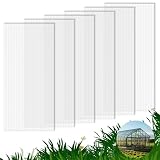 6 Pack Polycarbonate Greenhouse PanelsView on Amazon
- 6
 Aoodor 6 x 10 Ft Walk-in Greenhouse with GutterView on Amazon
- 7
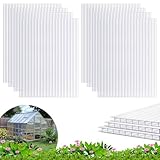 Polycarbonate Greenhouse PanelsView on Amazon
- 8
 AirWire 8×12 FT Walk-in Polycarbonate Greenhouse for OutdoorView on Amazon
- 9
 Outsunny 6' x 6' Greenhouse for OutdoorsView on Amazon
A cold snap is coming, the first seed trays are up, and the greenhouse roof has to hold heat through the night without shading the seedlings. Twinwall vs solid polycarbonate greenhouse comes down to this: twinwall panels insulate better because the hollow twin-wall structure traps air between two walls, while solid sheets let more light through. This guide compares the twin-wall panels and the single sheet from the listings we checked, so you can see how light, UV protection, insulation and weight differ before you buy.
Other options worth a look
 6 Pcs Greenhouse PanelCheck price on Amazon
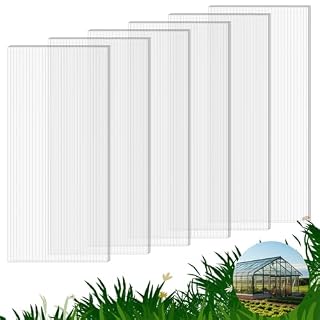 6 Pack Polycarbonate Greenhouse PanelsCheck price on Amazon
 Aoodor 6 x 10 Ft Walk-in Greenhouse with GutterCheck price on Amazon
 Polycarbonate Greenhouse PanelsCheck price on Amazon
 AirWire 8×12 FT Walk-in Polycarbonate Greenhouse for OutdoorCheck price on Amazon
 Outsunny 6' x 6' Greenhouse for OutdoorsCheck price on Amazon
GreenhouseGearHQ earns a commission when you buy through links on this page, at no extra cost to you. As an Amazon Associate I earn from qualifying purchases. Affiliate disclosure.
Twinwall and solid, side by side
A twin-wall panel has two walls with air trapped between them. The DGSL listing calls it twinwall polycarbonate for thermal insulation, the EVERECO twin-wall listing calls the hollow twin-wall structure a help for heat retention, and the XISOCO listing calls its panels cellular multi-layer. A solid sheet is a single layer with no air gap: the EVERECO 8 ft listing calls its product a polycarbonate sheet and never claims a twin-wall structure. The air gap is the whole difference: it slows heat loss at night and steadies the temperature inside, while a single sheet passes more light because there is only one layer to pass through.
The four panels compared
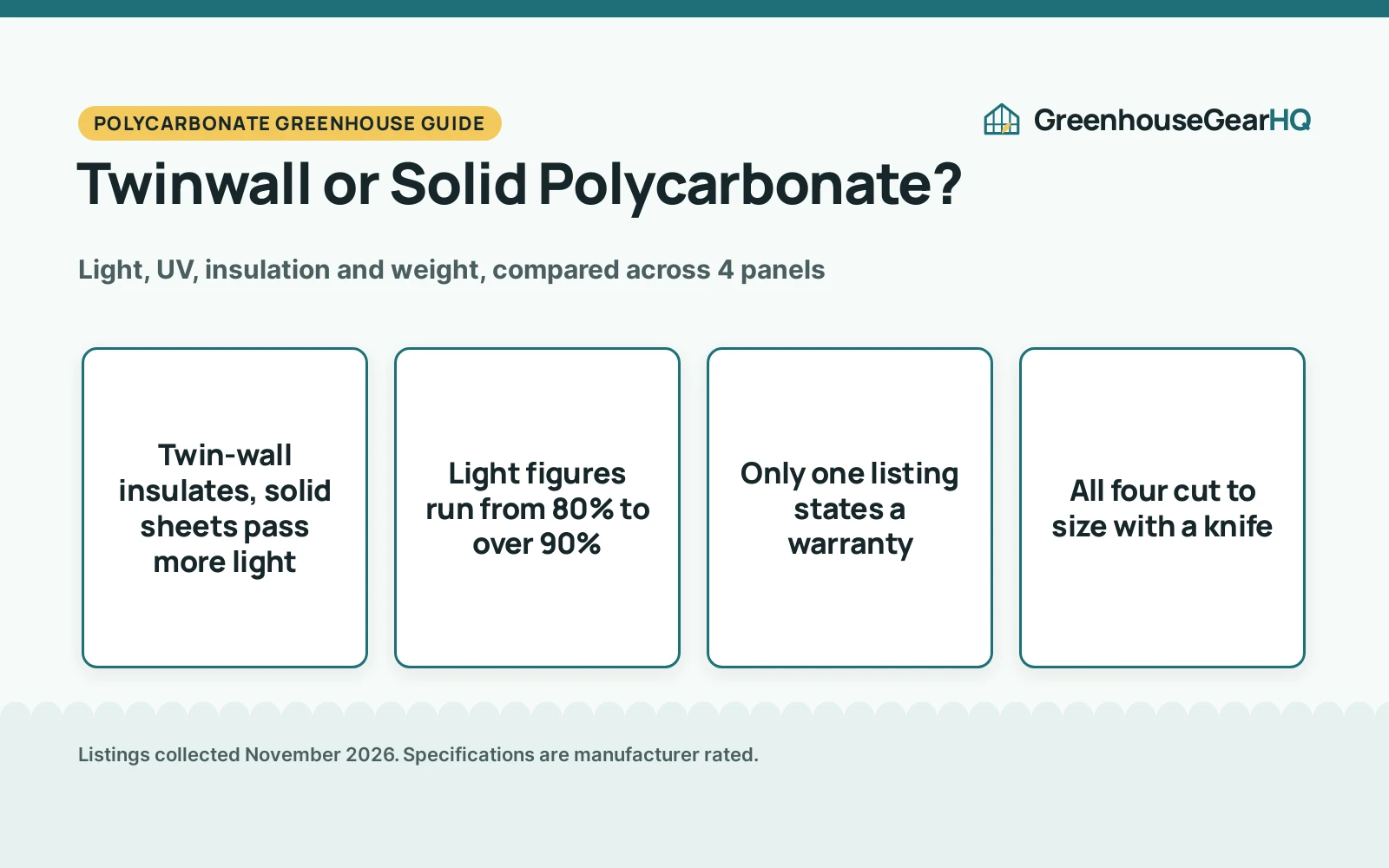
We scored the four listings on performance, build, value, safety and warranty, using only what each listing states. The XISOCO panel leads because it states a 10-year limited warranty, 99.5% UV protection and a flame-retardant material, while the other three state no warranty term.
| Panel | Stated size | Light transmission | UV protection | Warranty |
|---|---|---|---|---|
| XISOCO twin-wall panel | 4′ x 2′ x 0.32” | Not stated | 99.5% UV protection | 10-year limited warranty |
| EVERECO single sheet | 8’FT x 4’FT x 0.24”IN | Over 90% | Stops 99% of UV rays | Not stated |
| EVERECO twin-wall panel | 6’FT x 2’FT x 0.24”IN | 90% | UV-blocking coating | Not stated |
| DGSL twin-wall panel | 6’H x 2’W x 0.32” | 80% | UV protection | Not stated |
XISOCO twin-wall panel, 12 pcs 4′ x 2′ x 0.32”. The listing states 99.5% UV protection with an integrated UV-resistant co-extruded layer, a flame-retardant material, and a cellular multi-layer structure that cuts heating costs in winter while keeping summer heat down. A special coating on the bottom side eliminates condensation dripping. It is the only listing here with a warranty: a 10-year limited warranty. The spec table lists the weight as 25.35 lb, while another figure in the listing gives 35 lb, so check the weight before you order. The listing also notes an industry-standard tolerance of +/- 0.19 inch when cutting, and that the panels are UV protected on one side only, with the protective film showing which side faces outward.
EVERECO single sheet, 6 pcs 8’FT x 4’FT x 0.24”IN. The listing states over 90% light transmittance and a UV-resistant coating that stops 99% of UV rays, with impact resistance 200x that of glass and a working range from -40°C to 120°C. It is a single sheet, not a twin-wall panel: no twin-wall structure is claimed. The spec table lists 23.2 x 48.2 inches, far smaller than the 8 ft by 4 ft size, so those dims read as the packed size. The listing says a utility knife cuts it to size and a small shelter can be built in 30 mins.
EVERECO twin-wall panel, 8 pcs 6’FT x 2’FT x 0.24”IN. The listing states 90% light transmission with a UV-blocking coating, and a hollow twin-wall structure that helps reduce heat buildup in hot summer and retain warmth in cold weather. The panels are lightweight and bendable, easy to move and trim with a utility knife, and the listing says to remove the protective film before installation. The spec table lists 23.2 x 48.3 inches, far smaller than the 6 ft by 2 ft size, so those dims read as the packed size.
DGSL twin-wall panel, 6 pcs 6’H x 2’W x 0.32”. The listing states 80% light transmission, a working temperature range from -44°C to 120°C, and shatterproof panels that resist high temperatures. The title states 0.32” thick while the size field states 0.24”T, so the thickness is unclear: go by the title. Installation is simple, per the listing: cut with a cutter knife or scissors, remove the adhesive backing, and stick the panel in place.
How to choose twinwall vs solid polycarbonate greenhouse
Light transmission
The solid sheet states the highest figure here: over 90% light transmittance on the EVERECO 8 ft sheet, against 90% on the EVERECO twin-wall panel and 80% on the DGSL panel. The XISOCO listing states good light transmittance but gives no figure. If your greenhouse grows seedlings that need full sun, the single sheet passes more light; if you grow in a hot July afternoon, the twin-wall panels cut some light and heat. See our best UV resistant polycarbonate sheets for more panels with stated UV figures.
Insulation and heat
Twin-wall panels hold heat better because of the air gap. The EVERECO twin-wall listing states the hollow structure retains warmth in cold weather and reduces heat buildup in hot summer, and the XISOCO listing states its cellular multi-layer structure reduces heating costs in winter while minimizing excessive heat in summer. The DGSL listing states a working temperature range from -44°C to 120°C, and the EVERECO sheet states -40°C to 120°C. For a greenhouse that runs through frost nights, twin-wall is the safer pick; for a cold frame or a canopy roof, the single sheet is enough.
Weight, cutting and fitting
All four listings say the panels cut to size with a knife: the DGSL with a cutter knife or scissors, the EVERECO listings with a utility knife, and the XISOCO cut to your exact requirements with a tolerance of +/- 0.19 inch. The XISOCO listing gives a weight of 25.35 lb in the spec table and 35 lb elsewhere, so confirm the weight before you plan the frame. Remove the protective film before installation, per the EVERECO listings, and on the XISOCO the film shows which side faces outward, since only one side is UV protected. See our best tool for cutting polycarbonate sheets for cutters that suit these panels.
FAQ for growers
Does twinwall polycarbonate let less light through than solid?
In these listings, yes. The solid EVERECO sheet states over 90% light transmittance, the EVERECO twin-wall panel states 90%, and the DGSL twin-wall panel states 80%. The XISOCO twin-wall listing states good light transmittance with no figure.
Which panel handles cold nights better?
The twin-wall panels. The EVERECO twin-wall listing states the hollow structure retains warmth in cold weather, and the DGSL listing states a working range from -44°C to 120°C. The solid sheet states -40°C to 120°C.
Can I cut these panels to size?
Yes. The DGSL listing says to cut with a cutter knife or scissors, the EVERECO listings say a utility knife, and the XISOCO listing says panels are cut to your exact requirements with a tolerance of +/- 0.19 inch.
How long is the warranty on these panels?
Only the XISOCO states one: a 10-year limited warranty. The DGSL and the two EVERECO listings state no warranty term.
Keep reading
See every polycarbonate greenhouses guide and all greenhouses guides. Also see our best polycarbonate greenhouse. Also see our aluminum vs polycarbonate greenhouse. Also see our best 8×10 polycarbonate greenhouse. Also see our PVC greenhouse vs polycarbonate greenhouse. Also see our rigid vs flexible polycarbonate sheet.
More picks: polycarbonate greenhouses, UV resistant polycarbonate sheets, tools for cutting polycarbonate sheets and 8×10 polycarbonate greenhouses.