On this page
Top picks at a glance
As an Amazon Associate I earn from qualifying purchases.
- 1
 Dr Infrared Heater DR-968 Portable Space Heater9.6/10View on Amazon
- 2
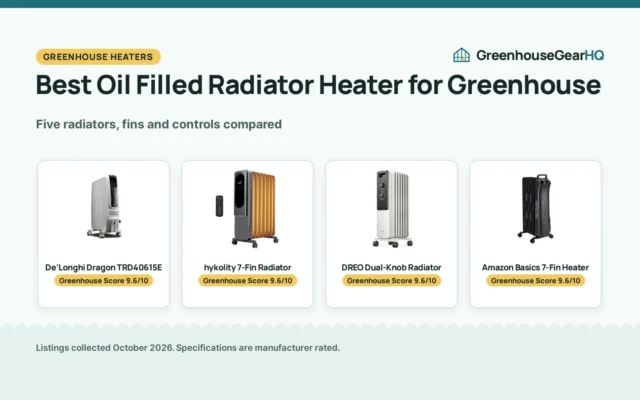
 De'Longhi Oil filled Radiator HeaterView on Amazon
- 3
 Homeleader Oil Filled Radiator HeaterView on Amazon
- 4
 Homeleader Oil Filled Radiator Heater with AdjustableView on Amazon
- 5
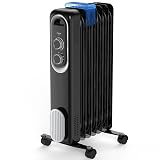 Sweetcrispy Oil Filled Radiator Heater for Indoor Use 1500WView on Amazon
- 6
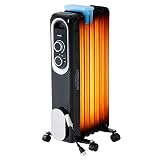 Dumos Oil Filled Radiator Heater with Adjustable ThermostatView on Amazon
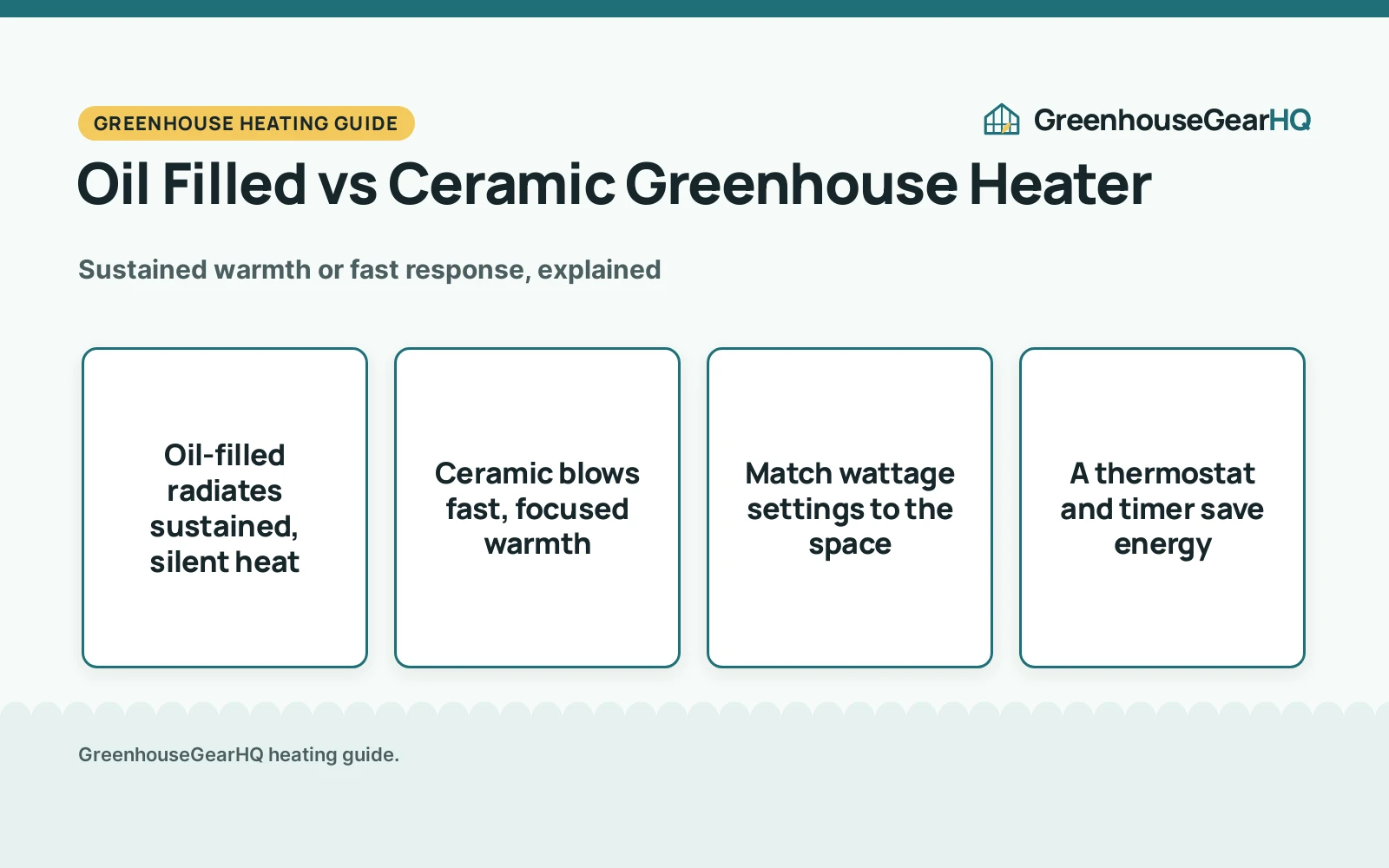
An oil-filled greenhouse heater warms oil sealed inside metal fins, which then radiate steady heat long after the element cycles off; a ceramic heater blows air across hot ceramic plates for fast, focused warmth that stops when the fan stops. Pick oil-filled for sustained, silent heat in a space that stays cold for hours; pick ceramic for quick warm-ups and spot heating. This guide explains how each type works, what the listings state, and which suits a given greenhouse.
Other options worth a look
 De'Longhi Oil filled Radiator HeaterCheck price on Amazon
 Homeleader Oil Filled Radiator HeaterCheck price on Amazon
 Homeleader Oil Filled Radiator Heater with AdjustableCheck price on Amazon
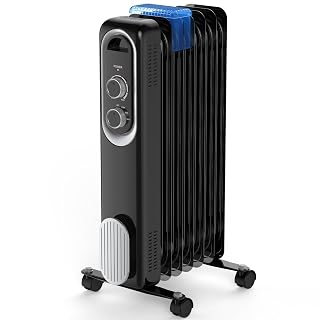 Sweetcrispy Oil Filled Radiator Heater for Indoor Use 1500WCheck price on Amazon
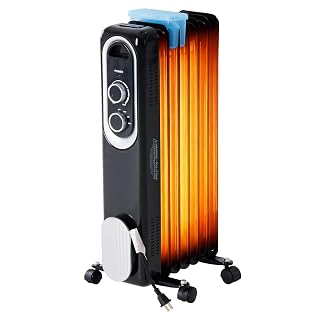 Dumos Oil Filled Radiator Heater with Adjustable ThermostatCheck price on Amazon
GreenhouseGearHQ earns a commission when you buy through links on this site, at no extra cost to you. As an Amazon Associate I earn from qualifying purchases. Affiliate disclosure.
Oil filled vs ceramic greenhouse heater: how they work
An oil-filled radiator heats oil inside sealed fins; the hot fins warm the surrounding air by radiation and natural convection, with no fan at all. The De’Longhi listing describes 1500 watts of long lasting, quiet heat, which is the type’s signature: silent operation. A ceramic heater works like a fan-forced heater, pushing air over ceramic heating plates so the room feels warmer within minutes, but it cools just as fast once switched off. The core trade is sustained heat versus fast response.
Heat-up time and sustained warmth
Oil-filled heaters are slow to start and slow to cool: the fins take time to reach temperature, then keep radiating after the thermostat cuts power. That makes them good for holding a steady baseline through a cold night. Ceramic heaters do the opposite, warming the air path in front of them quickly and dropping off the moment they switch off, which suits a greenhouse that only needs a boost at dawn. No listing here gives heat-up times in minutes, so compare them on behavior, not figures.
Power settings and controls
The oil-filled listings here center on 1500 watts, with three heat settings of 600, 900 and 1500 watts on the DREO, Amazon Basics, PELONIS and Sweetcrispy listings. The Homeleader listings run at 700 watts for smaller spaces. Controls range from a simple thermostat knob on the Amazon Basics to a thermostat with ECO mode, remote control and 24-hour timer on the DREO and PELONIS listings. Use the lower wattage settings once the space is warm; running full power all night wastes electricity. The DREO listing claims its thermostat cuts energy use by up to 60%, which is the listing’s claim, not a measured result.
Noise, safety and placement
Oil-filled radiators have no fan, so they run silent, an advantage near bedrooms or in a quiet potting shed. The Amazon Basics listings state tip-over and overheat protection, and the Homeleader listing notes a 9-pound build that moves easily between spots. Place any oil-filled unit upright, keep clearance around the fins, and never drape anything over it. Ceramic heaters need the same clearance plus attention to the hot air outlet, and their fans draw dust, so keep them away from potting mix and debris.
Energy use and running costs
A 1500-watt heater draws 1500 watts whenever the element is on, whichever type it is; the savings come from cycling off, not from the heating method. That is why the thermostat matters more than the technology: the DREO and PELONIS listings pair theirs with ECO mode and a 24-hour timer, and the Amazon Basics listings use three heat settings so the unit can drop to 600 or 900 watts once the space is warm. For overnight use, set the lowest wattage that holds the target temperature and let the thermostat do the switching.
Which should you choose?
Choose oil-filled when the greenhouse must hold temperature through long cold stretches: the sealed oil keeps radiating between thermostat cycles, and the silent operation suits any attached living space. Choose ceramic when heat is needed fast and only for short periods, such as warming the potting bench before morning work. For overnight frost protection, the oil-filled type’s sustained warmth wins; for a quick daytime boost, ceramic is the simpler tool. Either way, pick a listing with a thermostat and at least two heat settings, like the 600, 900 and 1500-watt steps common here, so the heater can idle instead of blasting.
FAQ for growers
Is oil-filled heat better for a greenhouse?
It holds warmth longer between cycles and runs silent, which suits overnight frost protection. Ceramic heats faster but cools as soon as it switches off.
How much power do these use?
Listings here center on 1500 watts, with 600 and 900-watt lower settings on several models and a 700-watt option on the Homeleader listings.
Do oil-filled heaters need refilling?
No. The oil is sealed inside the fins permanently; the listings describe no user refilling.
Which is safer around plants?
Both need clearance. The Amazon Basics listings state tip-over and overheat protection; check any listing for those features before buying.
Keep reading
See every greenhouse heaters guide and all greenhouse climate guides.
More picks: best greenhouse heater and geothermal vs propane greenhouse heater.