On this page
Top picks at a glance
As an Amazon Associate I earn from qualifying purchases.
- 1
 Riare 16LB Organic Leca Clay Pebbles9.7/10View on Amazon
- 2
 Hydroton Original Clay PebblesView on Amazon
- 3
 Legigo 15LB Leca Clay Pebbles for Plants 4mm-16mm Clay BallsView on Amazon
- 4
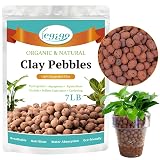 Legigo 7LB Leca Clay Pebbles for PlantsView on Amazon
- 5
 Grow!T Expanded Clay PebblesView on Amazon
- 6
 Riare 8LB Organic Leca Clay Pebbles for PlantsView on Amazon
- 7
 Riare 2LB Organic Leca Clay Pebbles for PlantsView on Amazon
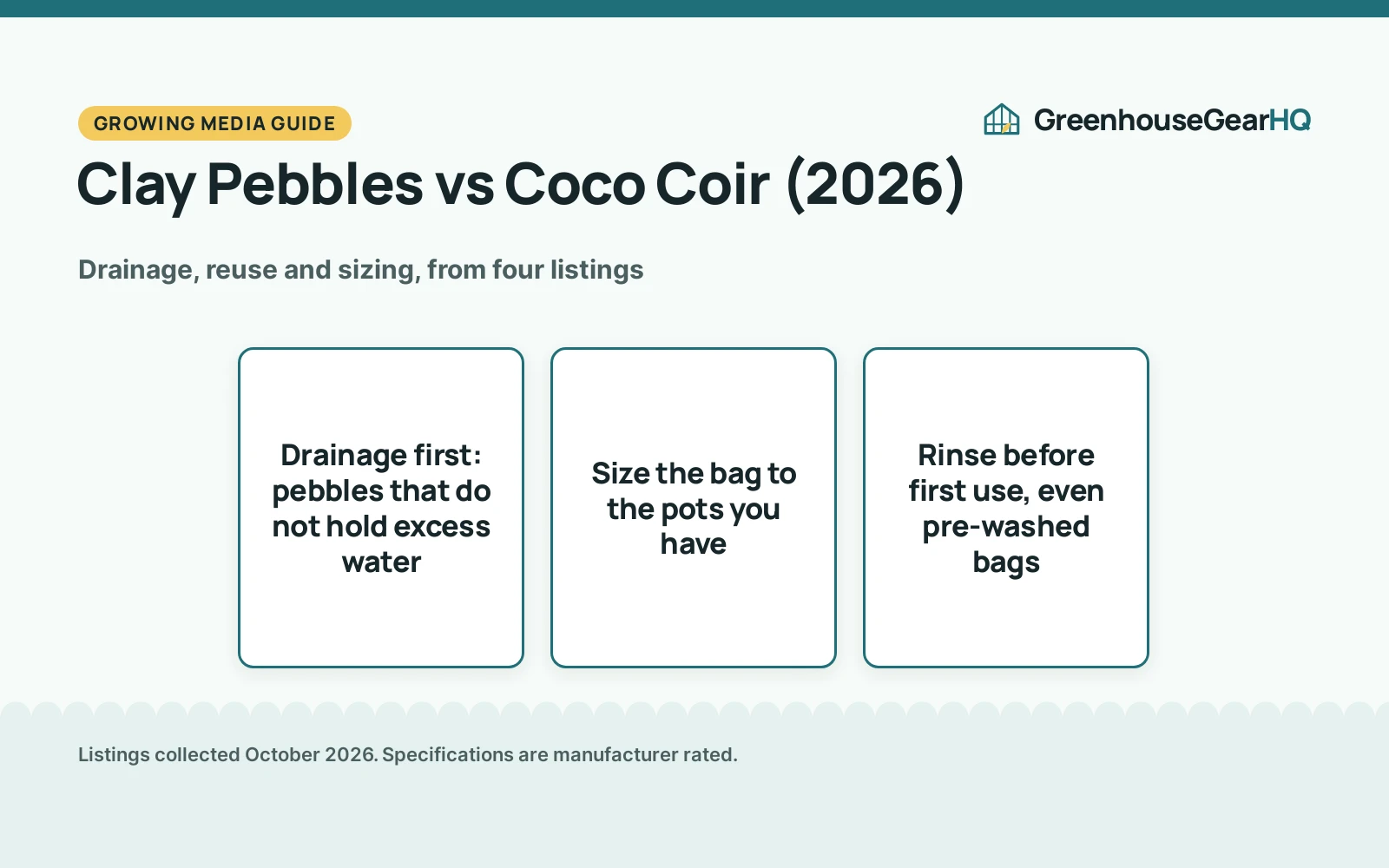
Clay pebbles vs coco coir comes down to water: clay pebbles drain freely and do not hold excess water, while coco coir is the moisture-holding side of the question. If your plants want air around the roots and a medium you can reuse, clay pebbles are the pick; the four listings we compared are all clay pebbles, so this guide covers that side in depth.
Other options worth a look
 Hydroton Original Clay PebblesCheck price on Amazon
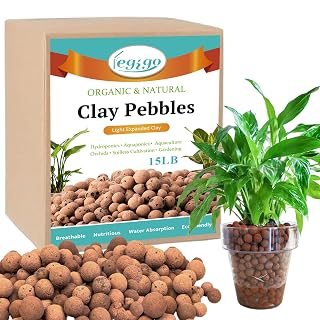 Legigo 15LB Leca Clay Pebbles for Plants 4mm-16mm Clay BallsCheck price on Amazon
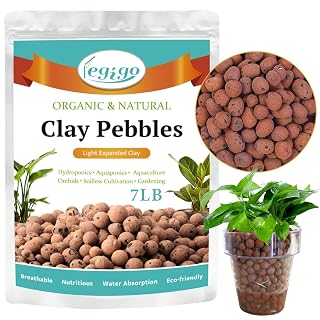 Legigo 7LB Leca Clay Pebbles for PlantsCheck price on Amazon
 Grow!T Expanded Clay PebblesCheck price on Amazon
 Riare 8LB Organic Leca Clay Pebbles for PlantsCheck price on Amazon
 Riare 2LB Organic Leca Clay Pebbles for PlantsCheck price on Amazon
GreenhouseGearHQ earns a commission when you buy through links on this page, at no extra cost to you. As an Amazon Associate I earn from qualifying purchases. Affiliate disclosure.
What clay pebbles are
Clay pebbles are kiln-fired balls of natural clay, 4 to 16 mm across in these listings. The Hydroton listing describes the process: natural clay mined, formed into pellets, then kiln fired at high temperatures so the clay expands into tough, lightweight balls. The result is semi-porous with balanced capillary action, per the same listing. The Grow!T listing adds that its pebbles are extremely stable in both pH and EC, made from 100 percent natural clay, pre-washed to aid stability, and will not float once fully wet.
- Drainage: the Grow!T listing states its pebbles drain freely and do not hold any excess water, giving good oxygen levels around the roots.
- Reuse: the Legigo and Riare listings both call their pebbles reusable, and the resealable pouches keep unused pebbles clean and dry.
- Size: 4 to 16 mm across the Legigo, Grow!T and Riare listings, sized for small to medium pots, hydroponic net pots, orchid containers and propagation jars.
The clay pebble gear, ranked
We compared four clay pebble listings by size options, stated stability, pack format and value. First is the Grow!T 40 L bag from Hydrofarm: the largest volume here, 4 to 16 mm, pre-washed, pH and EC stable, and it will not float once fully wet. Second is the original Hydroton 10 liter bag: the original brand, made in Germany, kiln-fired, semi-porous with balanced capillary action. Third is the Legigo 15 lb bag: 4 to 16 mm natural clay pebbles in a resealable foil pouch that keeps them clean and dry. Fourth is the Riare 8 lb value pack: 4 to 16 mm organic pebbles in a resealable bag, the smallest pack of the four. For the perlite side of the drainage question, see our clay pebbles vs perlite comparison.
Clay pebbles vs coco coir: how to choose
Match the volume to the job
Volumes here run from an 8 lb bag to a 40 L bag. The Grow!T 40 L bag suits a hydroponic setup with many net pots; the Riare 8 lb pack suits a few houseplants. The Hydroton 10 liter and Legigo 15 lb bags sit between. Buy for the pots you have, not the price per bag.
Pre-washed and pH stable matters
Only the Grow!T listing states pre-washing and pH and EC stability outright. If you run hydroponics, those stated traits are worth weighting; the other listings state natural clay and kiln firing but not pre-washing. Rinse any pebbles before first use, regardless of what the bag states.
When coco coir is the better answer
These listings do not cover coco coir, so we state only the clay pebble side from data: pebbles that drain freely and do not hold excess water. If your plants want the opposite, a medium that holds water between waterings, that is the coco coir side of the question. Our perlite vs coco coir comparison covers that moisture-holding side further.
Cleaning and reusing clay pebbles
The reuse case is the pebbles’ quiet advantage. The Legigo and Riare listings both call their pebbles reusable, and the resealable pouches keep the unused ones clean and dry between plantings. When a crop finishes, rinse the used pebbles to remove root bits and salts, let them dry, and they go back into net pots or top-dressing. The Grow!T listing’s pre-washed, pH-stable claim matters most on the first fill; after that, your own rinsing sets the baseline.
In the Greenhouse
- Rinse clay pebbles before first use, even the pre-washed Grow!T, to clear kiln dust.
- Top-dress houseplants with 4 to 16 mm pebbles to slow surface evaporation.
- Reuse pebbles across seasons; boil or soak used pebbles before replanting.
- Store unused pebbles in their resealable pouch so they stay clean and dry.
FAQ for growers
Do clay pebbles hold water?
The Grow!T listing states its pebbles drain freely and do not hold any excess water, while the Hydroton listing describes balanced capillary action in a semi-porous ball.
Are clay pebbles reusable?
Yes, per the Legigo and Riare listings, which both call their pebbles reusable.
What size are clay pebbles?
The Legigo, Grow!T and Riare listings all state 4 to 16 mm.
Which bag is the biggest?
The Grow!T at 40 L, followed by the Legigo at 15 lb, the Hydroton at 10 liter and the Riare at 8 lb.
Keep reading
See every hydroponic system guide and all indoor growing guides. Also see our best clay pebbles picks. Also see our clay pebbles vs perlite comparison.
More picks: clay pebbles for indoor plants, hydroponics vs soil gardening and clay pebbles vs rockwool.